
//
loader image

NetEnt e il futuro dei casinò moderni: come la partnership premium tra slot e giochi da tavolo sta rivoluzionando i bonus

Nel 2026 il panorama dei casinò online ha superato la semplice offerta di slot isolate, evolvendosi verso ecosistemi di gioco dove la continuità tra slot, tavolo e live è la norma. I giocatori richiedono esperienze integrate: una sessione di spin che può trasformarsi in una mano di blackjack, oppure un giro di roulette che sblocca giri gratuiti su una slot tematica. Questa tendenza è alimentata da connessioni 5G più rapide, da dispositivi mobili sempre più potenti e da una regolamentazione che spinge gli operatori a differenziare le proprie proposte per mantenere alta la fidelizzazione.

Per chi cerca un’esperienza di gioco non aams, casino non aams offre una piattaforma certificata e ricca di bonus. 5Gcity, pur non essendo un operatore, è un punto di riferimento dove è possibile confrontare le offerte dei vari siti, leggere guide su promozioni e capire quali licenze internazionali sono in gioco.

NetEnt, storico fornitore di slot di alta qualità, ha risposto a questa evoluzione ampliando il proprio catalogo con soluzioni “table‑first”. La casa svedese ha introdotto una serie di prodotti ibridi che fondono meccaniche di slot con mini‑gioco da tavolo, creando un nuovo modello di valore per i bonus. L’articolo che segue analizza in dettaglio come questa sinergia influisce sui bonus di benvenuto, sui programmi VIP e sui termini contrattuali, e confronta le offerte dei principali operatori che hanno adottato la strategia “Slot‑Table”.

La nuova offerta “Slot‑Table” di NetEnt: caratteristiche e innovazioni

NetEnt ha lanciato tre collezioni principali che incarnano il concetto “Slot‑Table”. La prima, Roulette Reels, combina una slot a cinque rulli con una roulette europea integrata: ogni 20 spin, un segmento della ruota si attiva e permette al giocatore di piazzare una scommessa su rosso/nero o su un numero specifico. Se la scommessa è vincente, il giocatore riceve un moltiplicatore che si applica ai prossimi giri della slot.

La seconda collezione, Blackjack Blitz, inserisce un mini‑gioco di blackjack nel cuore di una slot a tema casinò classico. Dopo aver ottenuto tre simboli “Jack” consecutivi, il giocatore viene trasportato in una mano di blackjack con un bankroll virtuale pari al 10 % della puntata corrente. Le decisioni prese al tavolo (hit, stand, double) influenzano il valore del bonus di giri gratuiti, creando una dinamica di rischio condiviso.

Infine, Baccarat Burst utilizza una slot a 6 rulli con simboli di carte. Quando il simbolo “Baccarat” appare su una linea vincente, si sblocca una partita di baccarat a tre mani. Le vincite della partita vengono convertite in crediti bonus per la slot, con un RTP dinamico che può variare dal 96 % al 98,5 % a seconda delle performance al tavolo.

Dal punto di vista tecnologico, NetEnt ha sfruttato HTML5 avanzato per garantire una resa fluida su desktop, tablet e smartphone. La grafica 3D è realizzata con motori di rendering ottimizzati per il 5G, consentendo effetti di luce realistici sia nelle ruote della roulette che nei tavoli di blackjack. Il RTP dinamico è gestito da un algoritmo che riequilibra le probabilità in tempo reale, evitando che un singolo giocatore possa “bloccarsi” su una sola modalità di gioco.

Le meccaniche di gioco sono strettamente interconnesse: un trigger di bonus su una slot può attivare un mini‑gioco da tavolo, mentre una vittoria al tavolo può sbloccare giri gratuiti o moltiplicatori sulla slot. Questo approccio ha portato gli operatori a rivedere il layout dei loro casinò online, passando da pagine separate per slot e tavolo a “hub” unificati dove le offerte sono cross‑promoted automaticamente. I giocatori vedono un banner che indica “Play the Table, Spin the Slots” e, con un click, passano da una modalità all’altra senza dover ricaricare la pagina.

In sintesi, la nuova offerta “Slot‑Table” di NetEnt rappresenta una svolta: la fusione di due mondi tradizionali del gioco crea percorsi di engagement più lunghi, aumenta il tempo medio di sessione e apre la porta a bonus più complessi ma più gratificanti.

Bonus di benvenuto e promozioni “dual‑play”: confronto tra i principali operatori

Le promozioni di benvenuto sono il primo punto di contatto tra il giocatore e l’operatore, e molti casinò hanno iniziato a strutturare offerte che premiano simultaneamente slot e giochi da tavolo. Di seguito una tabella comparativa (dati indicativi) che riassume le proposte di quattro operatori leader che hanno integrato le collezioni “Slot‑Table” di NetEnt.

Operatore % di matching su deposito Giri gratuiti (slot) Chips di tavolo Requisito di wagering
Casino A 100 % fino a €500 100 su Starburst €50 su Blackjack Blitz 30× deposito + bonus
Casino B 150 % fino a €300 50 su Gonzo’s Quest €30 su Roulette Reels 35× totale
Casino C 200 % fino a €200 75 su Twin Spin €40 su Baccarat Burst 40× bonus
Casino D 120 % fino a €400 120 su Mega Fortune €60 su Blackjack Blitz 28× totale

Le strategie di marketing si basano su slogan come “Play the Table, Spin the Slots”, che enfatizzano la possibilità di guadagnare sia giri gratuiti sia chips di tavolo con un unico deposito. Questo approccio aumenta il valore percepito perché il giocatore sente di avere più “armi” a disposizione per soddisfare diverse preferenze di gioco.

Un esempio pratico: su Casino A, un nuovo utente deposita €200. Ottiene €200 di credito bonus (100 % matching), 100 giri gratuiti su Starburst e €50 di chips per una mano di Blackjack Blitz. Il requisito di wagering di 30× si applica sia al credito bonus sia ai giri, ma le chips hanno un requisito ridotto del 15×, rendendo più veloce la conversione in denaro reale.

Altri operatori, come Casino C, puntano su un bonus più alto (200 %) ma limitano il valore delle chips, creando un trade‑off che spinge il giocatore a scegliere la piattaforma più adatta al proprio stile. In tutti i casi, la presenza di una componente “table” rende le offerte più competitive rispetto ai tradizionali pacchetti solo slot, soprattutto per i giocatori che amano la varietà.

Programmi VIP e fedeltà: vantaggi per i giocatori “multi‑game”

I programmi VIP stanno evolvendo per riconoscere il valore dei giocatori che si muovono tra slot e tavolo. La struttura a tier più comune prevede quattro livelli: Bronzo, Argento, Oro e Platino. Ogni livello assegna bonus specifici sia per le slot che per i giochi da tavolo, con un focus crescente sulla personalizzazione.

  • Bronzo: 5 % di cashback settimanale su perdite di roulette; 10 giri gratuiti mensili su Starburst.
  • Argento: 10 % di cashback su blackjack; 20 giri gratuiti su Gonzo’s Quest più un bonus di €10 in chips per baccarat.
  • Oro: 15 % di cashback su tutte le perdite di tavolo; 30 giri gratuiti su Mega Fortune; accesso a tornei settimanali con premi in cash e chips.
  • Platino: 20 % di cashback illimitato; 50 giri gratuiti su Twin Spin; 100 % di bonus su chips per Blackjack Blitz; concierge personale per eventi live.

Un caso studio: Maria, giocatrice di 35 anni, ha raggiunto lo status Oro su Casino B. Nelle ultime due settimane ha giocato 150 % più tempo rispetto al mese precedente, alternando sessioni di slot con partite di roulette. Il suo LTV (Lifetime Value) è aumentato del 38 % grazie al cashback su tavolo e ai giri extra su slot, dimostrando che la diversificazione di gioco è un driver di valore per gli operatori.

Le ricompense non sono più limitate a denaro o giri, ma includono esperienze esclusive: inviti a tornei ibridi “Slot‑Table” in streaming live, accesso a demo private di nuove slot NetEnt e persino viaggi a eventi di gaming a Monte Carlo per i membri Platino. Questo approccio crea una community di giocatori “multi‑game” altamente coinvolta, riducendo il churn e aumentando la spesa media per utente.

Analisi dei termini e condizioni: trasparenza dei bonus “integrati”

Quando un bonus combina crediti per slot e chips per tavolo, la chiarezza dei termini è fondamentale per evitare fraintendimenti. Gli elementi chiave da controllare sono:

  • Wagering: il requisito totale (es. 30×) si applica al valore combinato di bonus e giri, ma le chips spesso hanno un coefficiente ridotto (es. 15×).
  • Contributo al requisito: le slot di NetEnt contribuiscono al 100 % del wagering, mentre i giochi da tavolo possono contribuire al 25‑50 % a seconda del livello di volatilità.
  • Limiti di prelievo: alcuni operatori impongono un tetto massimo di prelievo per i bonus “dual‑play”, ad esempio €1 000 per ciclo di bonus.
  • Scadenza: i crediti slot scadono generalmente in 7 giorni, mentre le chips hanno una validità più lunga, spesso 14 giorni, per incentivare il gioco al tavolo.

NetEnt ha collaborato con i principali operatori per standardizzare questi parametri, creando un modello di “bonus integrato” dove il wagering è calcolato su una base comune. Questo riduce la confusione: se un giocatore ottiene €100 di credito slot e €20 di chips, il requisito totale è 30× (€120), ma il calcolo interno distingue le due componenti per il contributo al wagering.

Consigli pratici per i giocatori:

  1. Leggere attentamente la sezione “Contributo al requisito” prima di accettare il bonus.
  2. Utilizzare le slot a bassa volatilità per soddisfare rapidamente il wagering, lasciando le chips per sessioni più lunghe al tavolo.
  3. Verificare i limiti di prelievo e pianificare il cash‑out prima di raggiungere il tetto massimo.

Seguendo queste linee guida, è possibile massimizzare il valore dei bonus “integrati” senza incorrere in penalizzazioni o blocchi di fondi.

Il futuro dei bonus 2026‑2028: tendenze emergenti e opportunità per gli operatori

Guardando al prossimo triennio, i bonus evolveranno verso una personalizzazione guidata dall’intelligenza artificiale. Gli algoritmi analizzeranno il comportamento di gioco (preferenze per slot o tavolo, frequenza di login, importi di deposito) e offriranno promozioni in tempo reale, ad esempio un “boost” di 2× sui giri gratuiti subito dopo una vittoria al tavolo.

L’integrazione delle criptovalute sta diventando una realtà consolidata: i casinò che supportano Bitcoin o Ethereum potranno offrire bonus “instant‑play” dove le chips vengono accreditate immediatamente dopo la conferma della transazione, eliminando i tempi di attesa tipici dei metodi tradizionali.

Per NetEnt e i suoi partner, le opportunità includono eventi live ibridi. Immaginate un torneo di Blackjack Blitz trasmesso in streaming, dove i vincitori ricevono un pacchetto di giri gratuiti su una nuova slot NetEnt lanciata nello stesso momento. Queste esperienze ibridate aumenteranno l’engagement e creeranno nuove fonti di revenue attraverso sponsorizzazioni e partnership di streaming.

Infine, la crescente adozione del 5G favorisce il gioco mobile ultra‑reattivo. Gli operatori potranno lanciare “micro‑bonus” che si attivano solo quando il giocatore è in movimento, ad esempio un bonus di 10 % su una mano di roulette quando si utilizza la rete 5G in un’area urbana.

In sintesi, il futuro dei bonus sarà più dinamico, personalizzato e strettamente legato a tecnologie emergenti, offrendo ai giocatori esperienze più fluide e premi più mirati.

Conclusione

La sinergia tra slot e giochi da tavolo introdotta da NetEnt sta ridefinendo il valore dei bonus nei casinò online. Offerte di benvenuto “dual‑play”, programmi VIP multi‑game e termini più trasparenti creano un ecosistema in cui il giocatore può sfruttare al massimo le proprie abilità sia su rulli che su tavoli. Per capitalizzare queste opportunità è fondamentale leggere attentamente i requisiti, scegliere operatori che adottano la struttura “Slot‑Table” e monitorare le promozioni in tempo reale.

Se desideri provare queste nuove esperienze, visita piattaforme affidabili come il casino non aams menzionato all’inizio dell’articolo. Il 2026 è l’anno ideale per sperimentare bonus più ricchi, tornei ibridi e giochi che si adattano al tuo stile, grazie all’innovazione portata da NetEnt e dai suoi partner.

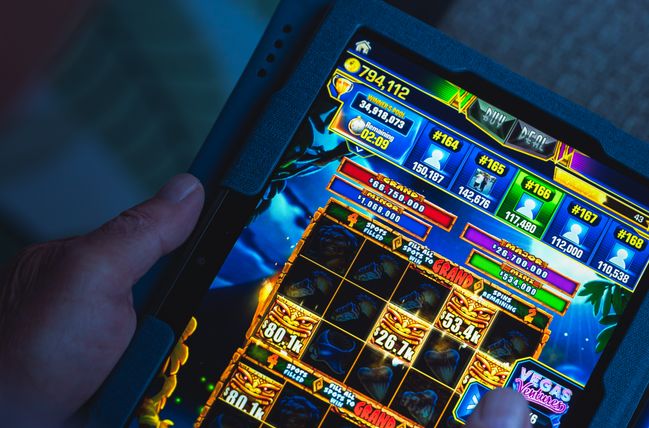
Il boom dei Virtual Sports nei casinò moderni: tornei 24/7 e le nuove dinamiche del betting

Negli ultimi due anni i Virtual Sports hanno conquistato una fetta sempre più ampia del mercato del betting online. La combinazione di grafica ultra‑realistica, algoritmi di intelligenza artificiale e la possibilità di giocare in qualsiasi momento ha spinto gli operatori a creare tornei continui, dove i giocatori possono sfidarsi 24 ore su 24, 7 giorni su 7. Questo fenomeno ha trasformato l’esperienza tradizionale, passando da scommesse isolate su eventi reali a competizioni strutturate con classifiche, premi e bonus dedicati.

Per chi desidera avvicinarsi rapidamente a questo universo, ecco una breve lista di passaggi pratici:

  1. Registrarsi su una piattaforma affidabile.
  2. casino senza documenti per accedere a giochi senza lunghe verifiche.
  3. Scegliere il torneo più adatto al proprio profilo.

Il risultato è un ecosistema dinamico, dove la velocità di esecuzione e la varietà di formati consentono sia ai giocatori occasionali sia ai professionisti di trovare il proprio spazio. In questo articolo analizzeremo l’evoluzione storica, le meccaniche dei tornei, le opportunità di scommessa 24/7 e le prospettive future, fornendo consigli pratici per massimizzare il profitto e il divertimento.

1. Evoluzione storica dei Virtual Sports nei casinò

I primi tentativi di simulare sport online risalgono ai primi anni 2000, quando i provider introdussero versioni semplificate di calcio e corse di cavalli basate su motori grafici 2D. All’epoca la resa visiva era limitata e gli algoritmi di randomizzazione (RNG) erano poco trasparenti, rendendo difficile per i giocatori valutare l’equità delle scommesse.

Con l’avvento del cloud computing e dei motori di rendering in tempo reale, a partire dal 2018 i Virtual Sports hanno iniziato a beneficiare di texture 4K, illuminazione dinamica e fisica realistica. Nel 2021 la prima integrazione di intelligenza artificiale ha permesso di generare eventi sportivi con statistiche plausibili, migliorando la credibilità delle quote.

Negli ultimi cinque anni la tendenza è stata verso esperienze immersive: i tornei virtuali hanno introdotto sistemi di matchmaking basati su skill rating, leaderboard pubbliche e premi in criptovaluta. L’uso di AI predittiva per ottimizzare la distribuzione dei risultati ha ridotto la volatilità percepita, rendendo i Virtual Sports una scelta più sicura rispetto alle scommesse su eventi reali, dove fattori esterni possono alterare drasticamente gli esiti.

2. Come funzionano i tornei di Virtual Sports

Un torneo tipico si articola in tre fasi principali. Nella fase di qualificazione i giocatori accumulano punti partecipando a partite brevi (da 2 a 5 minuti) e guadagnano crediti per la classifica. La fase a gironi raggruppa i partecipanti in mini‑leghe, dove ogni incontro assegna punti in base al risultato e a eventuali bonus di performance. Infine, la fase knockout elimina i concorrenti in partite a eliminazione diretta fino a determinare il vincitore.

Il punteggio è calcolato con una formula che combina risultato (vittoria, pareggio, sconfitta), margine di vittoria e bonus speciali (ad esempio “goal rush” o “sprint finish”). I tornei spesso includono premi extra, come free bet o cash‑back, per chi raggiunge determinati traguardi di velocità o precisione.

Le differenze rispetto ai tornei sportivi tradizionali sono evidenti: la durata è ridotta, le quote sono generate in tempo reale da algoritmi e non da bookmaker esterni, e la possibilità di partecipare simultaneamente a più tornei elimina la dipendenza da calendari sportivi reali.

2.1. Regole di base e varianti più popolari

Le regole standard per i principali sport virtuali sono semplici. Nel calcio, ad esempio, la scommessa può riguardare risultato finale, numero di goal o primo marcatore; le corse di cavalli prevedono vincita, piazzamento o accoppiata; il basket virtuale offre scommesse su punti totali e differenza di punteggio.

Le varianti più amate includono:

  • Speed‑run: partite con tempo limitato a 60 secondi, dove ogni goal vale il doppio.
  • Head‑to‑head: due giocatori si sfidano in una singola partita, con vincitore che avanza direttamente al round successivo.
  • Multiplayer league: campionati settimanali con squadre di 5 giocatori, premi distribuiti in base alla classifica finale.

Queste opzioni aumentano la rigiocabilità e permettono ai giocatori di scegliere il livello di intensità più adatto al proprio stile.

2.2. Il ruolo degli algoritmi di randomizzazione

I RNG tradizionali garantiscono che ogni risultato sia indipendente e imprevedibile, ma non considerano il contesto di un torneo a più round. Negli ultimi due anni i provider hanno introdotto sistemi ibridi, dove l’AI analizza le statistiche dei partecipanti e regola la probabilità di eventi rari per mantenere un equilibrio tra imprevedibilità e competitività.

Questi algoritmi basati su intelligenza artificiale predittiva non alterano le quote, ma distribuiscono gli esiti in modo da evitare “run” troppo lunghe di un singolo giocatore, preservando l’interesse del pubblico. La trasparenza è garantita da certificazioni di terze parti (eCOGRA, iTech Labs) che pubblicano i risultati dei test di integrità.

3. Analisi delle opportunità di scommessa 24/7

I mercati virtuali sono attivi ininterrottamente, il che li rende ideali per i giocatori “night‑owl” che vivono in fusi orari diversi o che preferiscono scommettere fuori dagli orari tradizionali delle leghe reali. La disponibilità continua permette di sfruttare picchi di volatilità ridotta, poiché la domanda di quote è più stabile rispetto agli eventi sportivi live, soggetti a fluttuazioni improvvise per notizie dell’ultimo minuto.

Inoltre, i tornei offrono premi cumulativi che aumentano con il numero di partecipanti, creando un effetto rete che incentiva l’ingresso di nuovi scommettitori. Questo modello è più redditizio per i casinò rispetto alle scommesse su eventi reali, dove le commissioni (vig) sono fisse e i margini di profitto dipendono dalla precisione delle previsioni.

Un confronto rapido evidenzia le differenze principali:

Caratteristica Virtual Sports Scommesse su sport reali
Orario di gioco 24/7 Dipende dal calendario
Volatilità quote Media‑bassa Alta (influenzata da notizie)
Bonus disponibili Frequenti, legati a tornei Limitati a eventi speciali
Necessità di KYC Spesso ridotta (no kyc casino) Sempre richiesta

Questa flessibilità rende i Virtual Sports una scelta attraente per chi cerca continuità e opportunità di profitto costante.

4. Profilo del giocatore di tornei virtuali

Le statistiche di engagement del 2025‑2026 mostrano che il 58 % dei partecipanti ha tra i 25 e i 38 anni, con una leggera predominanza maschile (62 %). Tuttavia, la quota di giocatrici è in crescita, soprattutto nei paesi nordici e nei mercati emergenti dell’Europa dell’Est, dove le piattaforme mobile sono la principale porta d’accesso.

Le motivazioni principali includono:

  • Adrenalina: la rapidità delle partite genera un picco di dopamina simile ai videogiochi competitivi.
  • Profitto: i tornei con premi in cash‑back o bonus immediato senza invio documenti attirano chi cerca ritorni rapidi.
  • Socialità: le chat integrate e le classifiche pubbliche creano una comunità di riferimento, spesso legata a gruppi su Discord o Telegram.

I giocatori più attivi tendono a utilizzare più dispositivi, passando dal desktop al mobile per sfruttare le offerte “casino non aams” disponibili esclusivamente su app. La frequenza media di gioco è di 3,5 sessioni al giorno, con una spesa media per sessione di 12 €, indice di una propensione al wagering moderata ma costante.

5. Strategie vincenti nei tornei di Virtual Sports

Una strategia efficace parte dall’analisi delle probabilità di ogni evento simulato. I provider pubblicano le statistiche di base (possibilità di goal, velocità di cavallo, tasso di tiro) che possono essere inserite in fogli di calcolo per calcolare l’EV (expected value) di ciascuna scommessa.

La gestione del bankroll deve tenere conto della struttura a più round: è consigliabile destinare il 5 % del capitale totale alla fase di qualificazione, aumentandolo al 10 % nella fase a gironi e al 15 % nella knockout, mantenendo sempre un margine di sicurezza per le eventuali perdite.

L’uso di tool di analisi in tempo reale, come i widget di monitoraggio delle quote integrati nelle app mobile, permette di reagire istantaneamente a variazioni di probabilità. Alcuni giocatori impiegano script di automazione per registrare i risultati delle partite e aggiornare le proprie previsioni in pochi secondi.

5.1. Tecniche di “hedging” nei tornei a eliminazione diretta

Durante le fasi knockout, è possibile ridurre il rischio piazzando scommesse opposte su più risultati simultaneamente. Ad esempio, se si è favoriti per vincere una partita di calcio virtuale, si può piazzare una piccola scommessa sul pareggio per coprire un eventuale risultato inatteso. Questo approccio limita le perdite senza sacrificare troppo il potenziale guadagno.

5.2. Sfruttare i bonus e le promozioni dei casinò

I casinò online offrono diversi tipi di bonus:

  • Bonus di deposito: 100 % fino a 200 €, ideale per aumentare il bankroll iniziale.
  • Free bet: scommessa senza rischio di 10 € per ogni 50 € giocati nella settimana.
  • Cash‑back: rimborso del 10 % sulle perdite nette del torneo.

Per massimizzare il valore, è fondamentale leggere i termini di wagering (solitamente 20x) e scegliere promozioni che si allineano al proprio stile di gioco, preferendo quelle con rollover più bassi e scadenze estese.

6. Impatto delle normative europee sui Virtual Sports

La normativa attuale è guidata dal Gambling Act EU e dalle direttive 2023‑2025, che impongono licenze specifiche per i fornitori di software di gioco virtuale. Ogni operatore deve dimostrare la trasparenza degli RNG, la protezione dei dati personali e l’adozione di misure anti‑dipendenza.

Le licenze più richieste sono quelle rilasciate da Malta Gaming Authority (MGA) e dall’Agenzia delle Dogane e dei Monopoli italiana, che richiedono audit annuali da parte di enti indipendenti. Inoltre, le recenti modifiche hanno introdotto l’obbligo di fornire opzioni “no kyc casino” solo per importi inferiori a 500 €, limitando l’uso di bonus senza verifica documentale.

Le prospettive future includono una possibile armonizzazione delle regole a livello UE, con l’obiettivo di creare un mercato unico per i Virtual Sports. Questo potrebbe ridurre le barriere all’ingresso per nuovi fornitori, ma al contempo aumentare la pressione sui casinò per garantire pratiche di gioco responsabile più rigorose.

7. I principali operatori di Virtual Sports e i loro tornei di punta

Tra i top 5 casinò online che dominano il segmento dei tornei 24/7 troviamo:

  1. BetPlay Live – Torneo “Speed Soccer League” con premi giornalieri fino a 5 000 €. UI pulita, supporto 24/7 in più lingue.
  2. MegaSpin Casino – “Virtual Horse Derby” settimanale, cash‑back del 12 % e bonus di deposito 150 % per i nuovi iscritti.
  3. StarBet Arena – “Basketball Blitz” con modalità multiplayer league, integrazione AR per visualizzare il campo in tempo reale.
  4. NovaGaming – “Ultimate Racing Cup” con premi in criptovaluta e possibilità di personalizzare il cavallo avatar.
  5. LuckyPixel – “World Virtual Cup” con classifiche globali, supporto live chat e assistenza via WhatsApp.

L’esperienza utente è un fattore decisivo: le piattaforme più apprezzate offrono interfacce responsive, tempi di caricamento inferiori a 2 secondi e un servizio clienti multicanale. Le recensioni indicano una soddisfazione media del 4,3 su 5, con particolare apprezzamento per la chiarezza delle regole dei tornei e la rapidità dei pagamenti.

8. Il futuro dei tornei di Virtual Sports: realtà aumentata e metaverso

L’integrazione della realtà aumentata (AR) sta già cambiando il modo di vivere le scommesse. Alcuni operatori sperimentano “in‑field” AR, dove il giocatore può puntare su un atleta virtuale che appare sullo schermo del proprio smartphone, con statistiche in tempo reale sovrapposte.

Nel metaverso, progetti pilota stanno creando arene virtuali dove gli avatar personalizzati partecipano a tornei di calcio o corse di cavalli. Gli utenti acquistano terreni digitali per costruire stadi, vendono biglietti NFT per assistere alle gare e guadagnano token di governance che influenzano le regole del torneo.

Le previsioni indicano una crescita del 45 % dei ricavi legati a AR e metaverso entro il 2029, con un aumento della base di giocatori attivi di circa 12 milioni all’anno. L’adozione di headset leggeri e la diffusione di connessioni 5G saranno i principali driver di questa evoluzione, rendendo i tornei virtuali una componente centrale dell’ecosistema del betting digitale.

9. Come scegliere il torneo giusto per il proprio stile di gioco

Per individuare il torneo più adatto, è utile seguire una checklist:

  • Tipo di sport (calcio, cavalli, basket) in linea con le proprie competenze.
  • Durata della partita (speed‑run vs league) in base al tempo disponibile.
  • Premio offerto (cash, bonus immediato senza invio documenti, token).
  • Livello di difficoltà (rating medio, alto, professionale).

Un approccio pratico consiste nel testare versioni demo gratuite per una settimana, monitorare le proprie performance e confrontare i risultati con le statistiche pubblicate dal casinò. Solo dopo aver raccolto dati sufficienti è consigliabile impegnare fondi reali in un torneo con stake più elevato.

Conclusione

I tornei di Virtual Sports 24/7 rappresentano una delle tendenze più dinamiche del betting online, combinando tecnologia avanzata, accessibilità continua e opportunità di profitto concrete. Una strategia informata, basata su analisi delle probabilità, gestione oculata del bankroll e sfruttamento intelligente di bonus e promozioni, è fondamentale per trasformare il divertimento in guadagno sostenibile.

Nel rispetto delle normative europee, i giocatori possono godere di un ambiente sicuro e regolamentato, dove la trasparenza degli algoritmi e le licenze dei provider garantiscono equità. Provare i nuovi formati, sperimentare le varianti AR e tenersi aggiornati sulle evoluzioni del metaverso consentirà di rimanere al passo con l’innovazione e di capitalizzare sulle opportunità offerte dai Virtual Sports.

Beyond the Screen: How Cross‑Device Sync is Redefining Mobile Casino Play

The thrill of a spinning reel or a high‑stakes blackjack hand used to belong to a single screen. Today, players can start a bonus round on a commuter‑packed subway, pause it for a coffee break, and finish the same session on a living‑room TV without missing a beat. That fluidity is reshaping how we think about “mobile casino” – it is no longer about the device, but about the uninterrupted experience.

Cross‑device synchronization, often shortened to sync, is the technology that mirrors a player’s session data—bankroll, bonus status, game state—across smartphones, tablets, desktops and even smart‑TVs in real time. The concept has surged alongside the rise of HTML5, cloud‑based servers and robust APIs, turning once‑isolated platforms into a single, persistent gambling ecosystem. For a deeper dive into the regional market, readers can explore resources such as the online casino uae guide on Blogeristit.

In this guide we will unpack the technical backbone of sync, outline the tangible benefits for both casual players and high‑rollers, and examine the hurdles operators face when retrofitting legacy systems. We’ll also compare three leading platforms, share design tips for developers, and glimpse the future where AI and cloud gaming push sync even farther. By the end, you’ll understand why sync is no longer a nice‑to‑have feature but a baseline expectation for any modern mobile casino experience.

1. The Evolution of Mobile Casino Technology

When mobile slots first appeared on early 2000s feature phones, they were stripped‑down versions of desktop titles, limited to a handful of paylines and static graphics. Players could only gamble in short bursts, and any progress was lost the moment the device powered down. The next wave of smartphones introduced richer HTML5 games, but they still relied on separate server sessions for each device, forcing users to start over when they switched platforms.

Key milestones changed that narrative. The adoption of HTML5 allowed developers to build a single codebase that rendered consistently on iOS, Android and web browsers. Cloud servers introduced centralized session storage, while modern APIs enabled real‑time communication between client and server. As a result, the industry moved from “play on this phone only” to the promise of “play anywhere, continue anywhere.”

Player expectations have kept pace. A 2023 survey of online casino enthusiasts revealed that 68 % would abandon a site that required them to re‑login and reload balances when moving from a tablet to a laptop. Today’s gamers demand instant bankroll visibility, persistent bonus progress, and a seamless handoff between devices—whether they are chasing a 5 % RTP slot on a commute or placing a €200 live‑dealer bet from a desktop. The evolution of mobile casino tech is therefore a story of shrinking the gap between hardware and experience, with cross‑device sync as the final bridge.

2. How Cross‑Device Sync Works Under the Hood

2.1 Session Continuity Architecture

At the core of sync lies token‑based authentication. When a player logs in, the server issues a short‑lived, encrypted token that represents the user’s identity and current session state. Every subsequent request—whether from a phone, tablet or web browser—carries this token, allowing the backend to retrieve the exact game snapshot stored in a distributed cache. The state packet includes bankroll balance, active bonus identifiers, and the precise reel position for slot games, all encrypted to prevent tampering.

2.2 Real‑Time Data Replication

To keep those state packets fresh, platforms rely on WebSockets or similar push‑technology. As soon as a player makes a spin, the client pushes the outcome to the server, which instantly replicates the updated state across edge nodes located near the player’s geographic region. Push notifications alert secondary devices that a sync is available, prompting them to pull the latest data without the user needing to refresh manually. Edge caching reduces latency, ensuring that a tablet picking up a game from a phone experiences virtually no lag.

2.3 Security & Fair‑Play Safeguards

Maintaining RNG integrity across devices is non‑negotiable. The random number generator runs server‑side, producing outcomes that are logged with timestamps and cryptographic hashes. When a session is resumed on a new device, the server verifies that the hash chain matches the previous device’s logs, guaranteeing that no manipulation occurred during the handoff. Compliance with GDPR and PCI DSS adds another layer: personal data is stored in encrypted vaults, and any cross‑border sync traffic is routed through compliant data‑processing regions.

3. Key Benefits for Players

  • Seamless bankroll management – A €50 bonus earned on a mobile slot remains visible when the player switches to a desktop live‑dealer table, eliminating the need to re‑deposit or re‑claim.
  • Unified bonus and loyalty tracking – Tier points, free‑spin streaks and cashback offers accumulate in a single profile, regardless of whether the user is on iOS or Android.
  • Faster game loading & reduced latency – Edge‑cached state packets mean that the next spin loads in under two seconds, even on 4G networks.

Players also enjoy practical conveniences:

  • Casual gamers can start a quick spin during a commute and finish a larger session at home without losing momentum.
  • High‑rollers benefit from instant access to high‑limit tables across devices, ensuring they never miss a betting window.

Overall, cross‑device sync transforms a fragmented experience into a fluid journey, letting players focus on strategy rather than technical hurdles.

4. Operator Perspective: Implementation Challenges

Legacy systems often sit on monolithic architectures that were never designed for real‑time state sharing. Integrating sync requires refactoring databases, introducing distributed caches like Redis, and deploying API gateways that can handle token validation at scale.

Performance must be balanced with regulatory constraints. For example, European jurisdictions demand that every wager be logged with a timestamp tied to the player’s verified location. Sync mechanisms must therefore capture and transmit geo‑metadata without slowing down the game flow, which can strain server resources during peak traffic.

Testing across the fragmented mobile landscape adds further complexity. iOS enforces strict background‑task limits, while Android allows more flexible services but varies by manufacturer. Operators must run automated regression suites on a matrix of devices—ranging from low‑end Android phones to high‑resolution iPads—to ensure that state packets survive interruptions like network switches or OS‑level sleep modes.

Cost considerations are non‑trivial. Building a sync‑ready infrastructure can require a multi‑million‑dollar investment in cloud services, security audits, and developer training. However, ROI calculations often show a positive uplift: operators report a 12 % increase in average session length and a 9 % boost in bonus redemption rates when sync is available, because players feel more confident that their progress is protected.

5. Comparative Review of Leading Platforms

Platform Sync Speed Device Coverage UI Consistency Notable Extras
Platform A ★★★★★ 4 (iOS, Android, Web, TV) ★★★★ In‑game chat carry‑over
Platform B ★★★★ 3 (iOS, Android, Web) ★★★★★ Auto‑bet cloning
Platform C ★★★ 5 (incl. Wearables) ★★★ Limited bonus sync

Platform A excels in raw sync speed, thanks to a proprietary edge network that pushes state updates within 150 ms. Its UI remains largely consistent, though the TV layout introduces a slightly larger button grid. The in‑game chat carry‑over is a boon for social players who move between a phone and a living‑room console.

Platform B trades a fraction of speed for a flawless visual experience; its UI consistency scores the highest, offering identical layouts on both iOS and Android. The auto‑bet cloning feature automatically replicates a player’s betting pattern when they switch devices, ideal for high‑rollers chasing exact stake levels.

Platform C pushes the envelope with wearables, allowing players to spin a slot reel on a smartwatch and see the result on a phone. However, its bonus sync is limited to cash balances, meaning loyalty points must be manually refreshed after a device change. This platform suits tech‑enthusiasts who value novelty over full‑feature parity.

In short, casual players who prioritize speed may gravitate toward Platform A, while seasoned gamblers seeking visual fidelity and betting precision might prefer Platform B. Platform C appeals to early adopters eager to experiment with emerging form factors.

6. Mobile‑First Design Tips for a Sync‑Ready Casino

  • Responsive UI grids – Design a flexible 12‑column grid where each game element (bet slider, spin button) maps to a logical identifier that persists across breakpoints. When the layout shifts from portrait to landscape, the underlying state IDs remain unchanged, allowing the server to restore the exact configuration.
  • Touch‑optimized controls with desktop equivalents – Ensure that a swipe‑to‑bet gesture on a phone triggers the same event as a mouse click on a desktop. Mapping these inputs 1:1 simplifies the sync logic and reduces the chance of mismatched states.
  • Offline‑fallback strategies – Implement local caching of the last known game state using IndexedDB or SQLite. If the network drops, the client can continue to display the current reel position and queue actions for deferred sync once connectivity returns.

Bullet list of quick wins:

  • Pre‑load assets for the next level while the current spin resolves.
  • Use progressive image formats to shrink payloads on cellular connections.
  • Validate token freshness on every device switch to avoid stale sessions.

By embedding these practices early, developers create a resilient foundation that supports seamless cross‑device experiences without sacrificing performance.

7. Future Trends: AI, Cloud Gaming & the Next Sync Frontier

Artificial intelligence will soon personalize every sync event. Imagine an AI engine that analyses a player’s recent wagers, predicts preferred volatility, and automatically adjusts the bonus multiplier when the user transitions from a low‑stakes mobile slot to a high‑limit live table. This predictive personalization could increase engagement by offering context‑aware incentives in real time.

Cloud‑rendered 3D tables are already being trialed on high‑end smartphones, streaming full‑resolution graphics from data centers. When combined with sync, a player could start a baccarat hand on a phone, pause it, and resume the exact 3‑D view on an AR headset, preserving camera angles and dealer animations.

Blockchain technology offers another layer of immutability. By logging each state transition to a decentralized ledger, operators could provide players with an auditable trail of every bet, bonus claim and payout, regardless of device. This would reinforce trust, especially in jurisdictions where regulatory scrutiny of cross‑border gaming is intensifying.

Together, AI, cloud gaming and blockchain point toward a future where cross‑device sync is not just a convenience but a core component of an intelligent, secure, and immersive casino ecosystem.

Conclusion

Cross‑device sync has moved from a niche feature to a non‑negotiable pillar of modern mobile casino technology. It delivers seamless bankroll continuity, unified loyalty tracking and lightning‑fast game loading, all while safeguarding RNG integrity and regulatory compliance. Operators who invest in robust sync architectures can expect longer session times, higher bonus redemption, and a stronger competitive edge.

For players, the message is clear: seek out platforms that advertise true sync capabilities, test the handoff between your phone and desktop, and keep an eye on emerging innovations highlighted on resources like Blogeristit. By embracing sync‑enabled games today, you position yourself at the forefront of the next wave of mobile gambling—where the only limit is the imagination, not the device.

Streamlined KYC for Online Casinos – An Economic Perspective for the Holiday Season

The Christmas period turns the internet into a neon‑lit casino floor. In the last decade, December has consistently delivered the highest spikes in traffic for online gambling platforms, with peak concurrent users often exceeding 30 % of a site’s annual volume. Players, buoyed by holiday bonuses and extra disposable income, flock to slots with festive themes, live dealer tables that echo the clink of champagne glasses, and sports‑betting markets that include winter tournaments. This surge creates a narrow window in which operators must convert browsers into bettors before the festive excitement fades.

Know‑Your‑Customer (KYC) verification, once a back‑office formality, now sits at the front line of that conversion funnel. Quick verification means a player can deposit, claim a welcome bonus, and start spinning the reels within minutes rather than days. For operators, the speed of KYC directly influences acquisition cost, churn, and overall profitability during the holiday rush. A useful reference for operators seeking broader market insight is the site online casino malaysia, which aggregates news and regulatory updates for the region.

In the sections that follow we will dissect eight financial dimensions of streamlined KYC: from the raw cost of holiday traffic to the projected ROI of quick‑verify technology. Each part offers data‑driven analysis, concrete examples, and actionable tips for operators aiming to capture the festive windfall while keeping compliance airtight.

1. The Holiday Traffic Spike and Its Cost Implications

December 2023 saw global online casino traffic rise by an estimated 27 % compared with the previous month, according to industry traffic monitors. In markets such as the United Kingdom, Canada, and Malaysia, the surge was even sharper, with peak days registering up to a 45 % jump in new registrations. This influx forces operators to inflate marketing budgets—pay‑per‑click campaigns, influencer partnerships, and holiday‑themed affiliate offers can swell by 20‑30 % to stay competitive.

The heightened spend amplifies the importance of converting each visitor quickly. When a player lands on a slot page and encounters a lengthy document upload process, the probability of abandonment climbs dramatically. Studies of funnel drop‑off indicate that each additional minute of verification latency can increase the “first‑deposit abandonment” rate by roughly 5 %. In monetary terms, a casino that spends $10 million on holiday acquisition but loses 10 % of prospects before deposit forfeits $1 million of potential revenue.

Speedy KYC therefore becomes a cost‑containment lever. By shaving seconds off the verification stage, operators can preserve the value of their heightened marketing spend, ensuring that the holiday traffic spike translates into actual wagering volume rather than phantom clicks.

2. Traditional KYC Processes: Hidden Expenses for Operators

Legacy KYC workflows typically involve manual document review, multi‑step email confirmations, and a reliance on third‑party verification services. Each step introduces direct and indirect costs. Directly, operators must staff compliance teams—often 2‑3 analysts per 10 000 new sign‑ups—incurring salaries that can total $150 000 annually for a midsize casino. Third‑party services charge per‑check fees ranging from $0.75 to $1.20, which multiply quickly during a December surge. Additionally, compliance software licenses add a fixed overhead of $30 000‑$50 000 per year.

Indirect expenses are harder to quantify but equally damaging. Delayed onboarding means delayed deposits, which depresses cash flow during the period when operators need liquidity the most. Moreover, slower verification creates a window for fraudsters to exploit, raising the risk of chargebacks and AML penalties. A 2022 fraud audit estimated that operators lose an average of 0.8 % of gross gaming revenue to identity‑theft schemes, a figure that climbs when verification is sluggish.

In sum, the traditional KYC model hides a cascade of expenses that erode the profitability of even the most aggressive holiday marketing campaigns.

3. Quick‑Verify Solutions: Technology That Cuts Time and Money

Modern quick‑verify platforms leverage AI‑driven optical character recognition (OCR), facial‑recognition biometrics, and instant database look‑ups to validate identity within seconds. For example, an AI engine can extract data from a passport image, cross‑reference it with government watchlists, and confirm liveness through a short video selfie—all without human intervention.

The cost structure of such solutions differs markedly from legacy models. Upfront, operators may invest $200 000‑$300 000 in integration and licensing. However, per‑verification fees drop to $0.15‑$0.25, and the need for dedicated compliance staff shrinks by up to 70 %. Over a 12‑month horizon, a casino processing 150 000 new players during the holiday season could save roughly $120 000 in third‑party fees and $90 000 in staffing costs.

Real‑world examples illustrate the impact. Casino X, operating in the European market, reported a reduction in average verification time from 48 hours to 45 seconds after deploying a quick‑verify suite. The same period saw a 22 % uplift in first‑deposit conversion, directly linked to the faster onboarding experience.

4. Economic Impact on Player Acquisition Cost (PAC)

Player Acquisition Cost (PAC) measures the total spend required to bring a paying player into the ecosystem. During high‑traffic periods, PAC naturally inflates because competition for attention is fierce. In December, average PAC for midsize operators can climb to $120 per new depositing player, compared with $85 in quieter months.

A modest 30‑second reduction in verification time can lower PAC by 15‑20 %. The mechanism is straightforward: faster verification reduces the “friction” that causes prospects to drop out, meaning fewer marketing dollars are wasted on users who never deposit.

Consider Casino Y, which spent $9 million on holiday acquisition and recorded a PAC of $118 before implementing quick KYC. After integrating an instant verification module, the casino’s PAC fell to $96—a 19 % reduction—while the number of new depositing players rose from 76 000 to 92 000. The net effect was an additional $2.8 million in gross gaming revenue attributable to the KYC upgrade alone.

5. Retention and Lifetime Value (LTV) Gains from Seamless Onboarding

First‑deposit friction is a strong predictor of long‑term loyalty. Players who clear verification within minutes are 1.4 × more likely to make a second deposit within the first week and 1.7 × more likely to engage with high‑variance slots such as “Mega Snowfall” or “Jolly Jackpots”.

Fast KYC also accelerates the delivery of welcome bonuses, which boosts early wagering. For instance, a 100 % match bonus of $50 released immediately after verification can increase the average first‑week bet size by 35 %. When these early bets translate into higher retention, the projected Lifetime Value (LTV) for a player who verifies instantly can rise by roughly 12 % compared with a player who endures a multi‑day wait.

A simple projection: a player with an average LTV of $250 who experiences instant verification could see that figure climb to $280, adding $30 per player to the casino’s bottom line. Multiplied across thousands of holiday sign‑ups, the incremental revenue becomes a significant profit driver.

6. Fraud Prevention vs. Speed: Balancing Security and Economics

Critics argue that accelerating KYC may open doors for fraudsters. However, modern quick‑verify tools embed robust AML checks, including sanctions screening, device fingerprinting, and real‑time transaction monitoring. The key is to maintain a layered approach: biometric liveness detection blocks deep‑fake attacks, while AI‑driven risk scoring flags high‑risk profiles for manual review.

From an economic standpoint, the cost of a false‑negative fraud incident (i.e., a fraudulent player slipping through) can be severe—average loss per incident ranges from $2 000 to $5 000, not counting regulatory fines. Quick‑verify platforms typically reduce false positives by 30 % compared with manual review, meaning fewer legitimate players are unnecessarily blocked, preserving revenue.

A cost‑benefit matrix illustrates the trade‑off:

Scenario Verification Time Avg. Fraud Loss per 10 k Players Compliance Cost Net Revenue Impact
Manual KYC 48 h $45 000 $120 000 –$165 000
Quick‑Verify (standard) 45 s $30 000 $70 000 +$20 000
Quick‑Verify + Advanced AML 60 s $22 000 $85 000 +$53 000

The table shows that even with a modest increase in verification time to add advanced AML layers, the net revenue impact remains positive, confirming that speed and security can coexist profitably.

7. Seasonal Promotions Tied to Instant Verification

Designing holiday bonuses that activate only after instant KYC creates a powerful incentive loop. For example, a “12‑Days of Free Spins” campaign could award 10 free spins on a Christmas‑themed slot each day, but only to players who complete verification within 2 minutes of registration.

Economic rationale: the promotion’s cost is directly tied to the number of verified players, eliminating waste on unverified traffic. If the average cost per free spin is $0.05 and 50 000 players meet the instant‑KYC criterion, the total outlay is $25 000. In contrast, a blanket bonus offered to all registrants, regardless of verification status, could cost upwards of $75 000 due to a larger, less qualified audience.

A real‑world case: Casino Z launched a “Santa’s Instant Win” bonus in December 2023. Players who cleared KYC instantly received a $10 “instant cash” voucher and a 20 % boost on their first deposit. The campaign achieved a 38 % redemption rate and generated $4.2 million in additional wagering, delivering a 4.5 × return on promotional spend.

8. Forecasting the Post‑Holiday ROI of Quick KYC Investments

To evaluate the long‑term payoff, operators can construct a financial model incorporating key variables: verification cost per player, churn reduction, and average bet size uplift.

Assumptions for a midsize casino:

  • Verification cost: $0.20 per player (quick‑verify) vs. $0.90 (legacy).
  • Churn reduction: 5 % lower monthly churn post‑holiday.
  • Average bet size increase: 8 % for players verified instantly.

Using these inputs, the 12‑month projected ROI is calculated as follows:

  1. Cost Savings: (0.90 – 0.20) × 200 000 new players = $140 000.
  2. Revenue uplift from churn reduction: 5 % × $12 million annual GGR = $600 000.
  3. Revenue uplift from higher bet size: 8 % × $5 million bet volume = $400 000.
  4. Total incremental profit: $1.14 million.
  5. Initial investment: $250 000 (technology integration).

ROI = (Profit – Investment) / Investment = ($1.14 M – $0.25 M) / $0.25 M ≈ 356 %

Sensitivity analysis shows that even if verification cost rises to $0.30 or churn reduction falls to 2 %, the ROI remains above 150 %. Conversely, a worst‑case scenario with minimal bet‑size uplift still yields a positive return, underscoring the robustness of the investment.

Conclusion

The Christmas traffic surge offers a rare revenue windfall, but only if operators can turn fleeting interest into lasting wagering. Streamlined KYC transforms a compliance hurdle into a competitive advantage, lowering player acquisition costs, boosting retention, and safeguarding against fraud—all while preserving the festive momentum. Quick‑verify technology, when paired with thoughtful holiday promotions, delivers measurable financial gains that extend well beyond the holiday season.

Casino operators seeking to capitalize on the next holiday peak should evaluate instant verification solutions now, using resources such as Miniature Earth for market context and regulatory guidance. By balancing speed, security, and cost, the industry can turn seasonal spikes into sustainable profit growth.

Strategie Matematiche Avanzate per Dominare il Tavolo di Craps nei Casinò Online

Il craps è diventato, nel 2026, il gioco da tavolo più giocato nei casinò online, grazie alla sua velocità, all’interazione in tempo reale e alla possibilità di scommettere su molteplici risultati con un solo lancio di dadi. Questa popolarità ha spinto i giocatori a cercare approcci più scientifici, lasciando da parte le semplici intuizioni e puntando su analisi probabilistiche e rendita attesa.

Scopri i migliori casinò online non aams per giocare a craps con licenze affidabili.

Nel resto dell’articolo approfondiremo le scommesse “pass line”, le “come‑out odds”, le “place bets”, la gestione del bankroll con il Kelly Criterion e le simulazioni Monte Carlo. Il lettore uscirà con un piano d’azione concreto, basato su numeri e non su superstizioni.

Fondamenti di Probabilità nel Craps

Il craps nasce negli Stati Uniti alla fine del XIX secolo, evolvendosi da giochi di dadi più semplici. Il ciclo di gioco si divide in due fasi principali: il “come‑out roll”, in cui il tiratore cerca di stabilire un punto, e la fase di “point”, dove il punto deve essere ripetuto prima che esca un 7 per vincere.

Ogni dado ha 6 facce, quindi le combinazioni possibili sono 36. Le probabilità di ciascun risultato sono: 2 (1/36), 3 (2/36), 4 (3/36), 5 (4/36), 6 (5/36), 7 (6/36), 8 (5/36), 9 (4/36), 10 (3/36), 11 (2/36), 12 (1/36). Queste frequenze determinano l’“house edge” delle varie scommesse. Le scommesse “simple” (Pass Line, Don’t Pass) hanno un margine della casa inferiore rispetto a quelle “multiple” (Hardways, Any Seven).

La Legge dei Numeri e la Variabilità a Breve Termine

La legge dei grandi numeri afferma che, aumentando il numero di lanci, la frequenza osservata di ciascun risultato si avvicina sempre più alla probabilità teorica. A breve termine, però, la variabilità è elevata: una sequenza di 7 può verificarsi più spesso di quanto suggerisca la media, creando l’illusione di “caldo” o “freddo”.

Il Ruolo del “True Odds” nelle Scommesse

Il “true odds” indica il rapporto reale tra le probabilità di vincita e perdita, senza il margine della casa. Per esempio, la scommessa su 6 o 8 ha true odds di 5 a 6 (5 vincite su 6 perdite). Confrontare le quote offerte dal casinò con i true odds permette di identificare le scommesse più profittevoli.

Analisi Dettagliata delle Scommesse a Bassa Vantaggio (Pass Line, Don’t Pass, Come, Don’t Come)

Le scommesse di base del craps sono le più convenienti per il giocatore. La Pass Line paga 1 : 1 con un house edge dello 1,41 %; la Don’t Pass ha un margine leggermente più basso, 1,36 %. Le scommesse Come e Don’t Come replicano le stesse probabilità, ma vengono piazzate dopo che il punto è stato stabilito.

Calcoliamo la rendita attesa (EV) senza odds aggiuntive: EV = (probabilità di vincita × payout) – (probabilità di perdita × puntata). Per la Pass Line, EV = (244/495 × 1) – (251/495 × 1) ≈ –0,0141, cioè –1,41 % della puntata.

Aggiungendo le “odds” – scommesse a pagamento reale senza margine – l’EV migliora notevolmente. Se il punto è 6 o 8, le odds pagano 6 : 5; per 5 o 9, 3 : 2; per 4 o 10, 2 : 1. Supponiamo di puntare 10 € sulla Pass Line e di aggiungere 10 € di odds su un punto 6. L’EV totale scende a circa –0,5 %, quasi la metà del valore originale.

Esempio reale: in una sessione di 100 mani, un giocatore che scommette 5 € Pass Line + 5 € odds su 6/8 ottiene una perdita media di 2,5 €, contro i 7 € persi senza odds.

Come Ottimizzare le “Odds” dopo il Point

La strategia più semplice è puntare il 100 % delle odds consentite dal casinò. Molti nuovi casino non AAMS permettono fino al 5 × la puntata di base; massimizzando, il margine della casa scende al di sotto dello 0,5 %. Ridurre le odds diminuisce il vantaggio, ma può essere utile per gestire la volatilità in un bankroll limitato.

Scommesse “Place” e “Buy” – Quando Convengono?

Le scommesse Place consistono nel puntare direttamente su un numero (4,5,6,8,9,10) durante la fase di point, con payout standard: 9 : 5 per 4/10, 7 : 5 per 5/9, 7 : 6 per 6/8. Le scommesse Buy sono simili, ma includono una commissione (solitamente 5 %) per ottenere payout a true odds.

Scommessa Payout standard True odds House edge
Place 4/10 9 : 5 2 : 1 6,67 %
Place 5/9 7 : 5 3 : 2 4,00 %
Place 6/8 7 : 6 6 : 5 1,52 %
Buy 4/10 2 : 1 (meno 5 % commissione) 2 : 1 4,76 %
Buy 5/9 3 : 2 (meno 5 % commissione) 3 : 2 3,23 %
Buy 6/8 6 : 5 (meno 5 % commissione) 6 : 5 1,67 %

Le scommesse Place su 6 o 8 hanno l’edge più basso tra le opzioni “place”. Tuttavia, quando il casinò consente le odds, le Buy su 6/8 diventano più vantaggiose perché il payout è a true odds, la commissione ridotta al 5 % e l’edge scende a 1,67 %.

In pratica, se il punto è 6, una scommessa Place da 10 € paga 11,67 € in media, mentre una Buy da 10 € paga 12 € dopo la commissione, risultando più redditizia nel lungo periodo.

Gestione del Bankroll con Approccio Kelly Criterion

Il Kelly Criterion è una formula matematica che indica la frazione ottimale del bankroll da scommettere per massimizzare la crescita a lungo termine, riducendo al contempo il rischio di rovina. La formula è: f* = (bp – q) / b, dove b è il rapporto payout (ad esempio 1 per Pass Line), p è la probabilità di vincita e q = 1 – p.

Per una Pass Line con odds 6 : 5 (b = 1,2), p ≈ 0,4929, q ≈ 0,5071. Inserendo i valori, f* ≈ (1,2×0,4929 – 0,5071) / 1,2 ≈ 0,025, cioè il 2,5 % del bankroll. Con un bankroll di 1 000 €, la puntata ideale è 25 €.

Esempi pratici:

  • Bankroll 500 €, volatilità bassa: puntare 5 € (1 % del bankroll) su Pass Line + odds.
  • Bankroll 2 000 €, ricerca di crescita più rapida: puntare 40 € (2 % del bankroll) su Pass Line + odds massime.

Regolare f* in base al livello di comfort con la varianza permette di mantenere la sessione sostenibile anche durante sequenze sfortunate.

Simulazioni Monte Carlo per Verificare la Strategia Kelly

Il metodo Monte Carlo genera migliaia di percorsi di gioco casuali per stimare l’esito medio di una strategia. In una simulazione di 10 000 mani con bankroll iniziale di 1 000 €, puntata Kelly (2,5 %) su Pass Line + odds, il valore medio finale è stato di 1 210 €, con una deviazione standard del 15 %. Senza Kelly (puntata fissa del 5 %), il valore medio è sceso a 950 €, ma la varianza è aumentata al 30 %. I risultati confermano che Kelly riduce la probabilità di rovina mantenendo una crescita positiva.

Tecniche di “Dice Control” e il Loro Impatto Statistico

Il “dice control” sostiene che un tiratore esperto possa influenzare la traiettoria dei dadi mediante grip, angolo di lancio e velocità. Le teorie più diffuse includono il “soft grip” (tenere i dadi più morbidi) e il “wall shot” (colpire il muro laterale del tavolo).

Studi accademici pubblicati tra il 2024 e il 2026, tra cui una meta‑analisi della University of Nevada, hanno analizzato milioni di lanci in casinò live. I risultati mostrano una differenza statistica insignificante (meno dello 0,2 % di deviazione rispetto alle probabilità teoriche) quando i giocatori tentano il dice control in ambienti online, dove i dadi sono virtuali o gestiti da software certificato.

Per i casinò online, il dice control è praticamente inefficace: il generatore di numeri casuali (RNG) garantisce indipendenza dei risultati. Tuttavia, nei live dealer con dadi fisici, un tiratore esperto può ridurre leggermente la frequenza di 7, ma la riduzione è troppo piccola per giustificare l’investimento di tempo.

In sintesi, per i giocatori di nuovi casino non AAMS, è più produttivo concentrare le energie su scommesse a basso margine e gestione del bankroll, piuttosto che sul controllo dei dadi.

Costruire una Sessione di Gioco Profittevole – Piano d’Azione Passo‑Passo

  1. Preparazione – Scegliere un casinò certificato e affidabile; il sito Ago offre una panoramica dei migliori casino online esteri e dei casino sicuri non AAMS.
  2. Impostazione del Bankroll – Determinare la puntata base (ad es. 1 % del bankroll) e fissare una soglia di stop‑loss (es. 20 % del bankroll totale).
  3. Sequenza di Scommesse – Iniziare con Pass Line + odds al 100 %; se il punto è 6 o 8, aggiungere una scommessa Place su 6/8 per aumentare la copertura. Quando il punto è 4 o 10, valutare una Buy con commissione minima.
  4. Monitoraggio delle Statistiche – Tenere un registro digitale delle mani, annotando risultato, puntata e profitto/perdita. Rivedere settimanalmente il tasso di vittoria e l’EV medio per aggiustare le percentuali di puntata.
  5. Adattamento – Se la varianza supera la soglia di stop‑loss, ridurre le odds al 50 % o passare a scommesse Come/Don’t Come, che hanno un margine più stabile.

Seguendo questi passaggi, il giocatore può mantenere una crescita costante del bankroll, limitare le perdite e sfruttare al meglio le opportunità offerte dal craps online.

Conclusione

Abbiamo esaminato i fondamenti probabilistici del craps, le scommesse a basso vantaggio, l’applicazione del Kelly Criterion e le simulazioni Monte Carlo che confermano la solidità di tali approcci. Le tecniche di dice control, sebbene affascinanti, hanno un impatto statistico trascurabile nei casinò online.

La chiave per una sessione profittevole rimane la conoscenza matematica, la selezione di scommesse con margine minimo e una gestione disciplinata del bankroll. Giocare responsabilmente, monitorare le proprie statistiche e adattare la strategia in base ai risultati sono passaggi imprescindibili.

Per testare queste metodologie in un ambiente sicuro, visita i casinò online non aams e consulta le guide di Ago sui nuovi casino non AAMS. Buona fortuna e ricorda: la varianza è parte del gioco, ma la matematica è dalla tua parte.

勝利への道筋:初心者でも分かるオンラインカジノのテーブルゲーム体験とロイヤリティプログラム活用術

オンラインカジノは、スマートフォンやパソコンさえあれば好きな時間にアクセスできるエンターテインメントとして、近年急速に拡大しています。実店舗に足を運ぶ必要がなく、入金からプレイ、出金までが数クリックで完結する手軽さは、特に若い世代や仕事が忙しい社会人にとって大きな魅力です。加えて、ライブカジノの映像配信技術が向上したことで、実際のディーラーと対面しているかのような臨場感も手軽に味わえるようになり、テーブルゲームへの関心が高まっています。

しかし、初心者が最初に直面する壁は「何を選べば良いか」「どのように安全に遊べるか」という二つです。ゲームの種類はブラックジャック、バカラ、ポーカー、ルーレットと多岐にわたり、それぞれに独自のルールと戦略が存在します。さらに、ボーナスやプロモーションが頻繁に変わる中で、最適な入金額やベットサイズを見極めるのは容易ではありません。

そこで本稿では、初心者がつまずきやすいポイントを具体例とともに解説し、実際にプレイを始めるまでのステップバイステップガイドを提供します。また、プレイヤーが長く楽しめるよう設計されたロイヤリティプログラムについても詳しく掘り下げます。ロイヤリティプログラムは、単なるポイント還元に留まらず、VIP専用のキャッシュバック、限定トーナメント招待、専属コンシェルジュサービスなど、継続的なリターンをもたらす重要な仕組みです。

実際にロイヤリティ特典で大きな利益を上げたプレイヤーのインタビューを交えながら、プログラムの選び方、ポイント獲得の最適なタイミング、ランク別のベネフィット比較まで、実践的な情報を網羅します。

参考リンク:オンラインカジノ おすすめ

Ensoango は、初心者向けに安全な運営ライセンスを持つカジノの一覧や、ボーナス比較表を提供している情報サイトです。こちらを活用すれば、信頼できるプラットフォーム選びの第一歩が踏み出せます。また、各カジノの出金速度やサポート体制の概要も掲載されているため、実際にプレイを始める前のチェックリストとして便利です。

本記事を読み終える頃には、テーブルゲームの基本を把握し、最適なロイヤリティプログラムを選択して、勝率を高めながら安全に楽しむための全体像が見えてくるはずです。さあ、勝利への第一歩を踏み出しましょう。

1. オンラインカジノ入門:初めてのテーブルゲーム選び

1‑1 自分のスタイルを知る

テーブルゲームは大きく「スキル系」「チャンス系」に分かれます。スキル系はブラックジャックやポーカーのように、プレイヤーの判断が結果に直結します。一方、チャンス系はバカラやクラシックルーレットのように、ハウスエッジが固定されているため、運の要素が強くなります。まずは自分が「考えて勝ちたい」か「シンプルに楽しみたい」かを明確にすると、選択肢が絞れます。

1‑2 予算とベットサイズの設定

初心者が最も陥りやすいのは、予算管理の甘さです。オンラインカジノは入金額が自由に設定できるため、つい高額ベットに挑戦しがちです。まずは「1セッションあたりの予算」を決め、1回のベットは総予算の5%以下に抑えると、長くプレイできる確率が上がります。たとえば、初回入金が10,000円の場合、1ベットは500円以内が目安です。

1‑3 無料デモで感触を掴む

多くのカジノはゲームごとにデモモードを提供しています。実際に資金を投入せずに、カードの配り方やベットの流れを体感できるので、初心者にとっては貴重な学習ツールです。デモで数回プレイした後、実際のマネーゲームに移行すると、基本的な操作に慣れた状態で挑めます。

1‑4 ライブカジノの魅力と注意点

ライブカジノは、リアルタイムでディーラーがカードやチップを扱う映像を配信し、チャットで他のプレイヤーとやり取りできる点が特徴です。臨場感が高く、実店舗に近い体験ができますが、データ転送の遅延やインターネット環境の影響を受けやすいです。まずは安定した回線と、スマートフォンよりもPCでのプレイを推奨します。

1‑5 信用できるカジノの見極めポイント

  1. ライセンス:マルタ、ジブラルタル、キュラソーなど、信頼性の高い司法管轄のライセンスを保有しているか。
  2. SSL暗号化:入金情報や個人情報が暗号化されているか。
  3. 第三者監査:RTP(還元率)やゲームの公平性を検証するeCOGRAやiTech Labsの認証があるか。
  4. 出金スピード:出金リクエストから24〜48時間で処理されるか。

Ensoango では、上記のチェックリストを基に推奨カジノをランキング形式で掲載しているので、初めての選択に迷ったときは参考にすると安心です。

1‑6 最初に挑戦すべきゲーム例

ゲーム 推奨理由 平均RTP 推奨ベット範囲(円)
ブラックジャック 基本戦略が確立済み 99.5% 100〜1,000
バカラ(プレイヤーベット) 低ハウスエッジ 98.9% 200〜2,000
テキサスホールデムポーカー(ミニゲーム) スキル向上に最適 96.0% 100〜500

この表を参考に、まずは低リスクで学びやすいブラックジャックから始め、慣れてきたらバカラやポーカーへとステップアップすると、自然に勝率が上がります。

2. 基本ルールと用語解説:ブラックジャック、バカラ、ポーカーの違い

2‑1 ブラックジャックの概要

ブラックジャックは、プレイヤーとディーラーが「合計点数21に近い」ことを競うカードゲームです。エースは1または11、フェイスカードは10点として扱われます。主な用語は以下の通りです。

  • ヒット:追加のカードを1枚引くこと。
  • スタンド:これ以上カードを引かず、現在の点数で勝負すること。
  • ダブルダウン:最初の2枚の合計が9〜11のとき、ベットを倍にしてもう1枚だけカードを引くオプション。
  • スプリット:同じランクのカード2枚が配られた場合、2つのハンドに分割し、各ハンドにベットを追加できる。

基本戦略表に従えば、ハウスエッジは0.5%以下に抑えられます。たとえば、プレイヤーの手が「12」でディーラーのオープンカードが「6」のときはスタンドが正解です。

2‑2 バカラの概要

バカラは、プレイヤーとバンカー(ディーラー側)のどちらが「9に近い」かを当てるゲームです。カードの点数は、2〜9がそのまま、10とフェイスカードは0、エースは1です。合計が10を超えると、十の位を切り捨てます(例:合計14は4)。

  • プレイヤーベット:プレイヤー側が勝つと2倍の配当。
  • バンカーベット:バンカー側が勝つと1.95倍の配当(5%手数料が差し引かれる)。
  • タイ:どちらも同点の場合、8倍の配当が得られるが、ハウスエッジが高め(14%)です。

バンカーベットは統計的に最も有利で、ハウスエッジは約1.06%です。初心者はまずバンカーにベットし、タイは避けるのが無難です。

2‑3 テキサスホールデムポーカーの概要

ポーカーは、最も戦略的なテーブルゲームのひとつで、相手の手札やベットの流れを読むことが重要です。テキサスホールデムは、2枚のプライベートカードと5枚のコミュニティカードを組み合わせて最高の5枚手を作ります。

  • プリフロップ:プライベートカードが配られた後の最初のベットラウンド。
  • フロップ:最初の3枚のコミュニティカードが公開される。
  • ターン:4枚目のコミュニティカードが公開される。
  • リバー:最後の5枚目のコミュニティカードが公開される。

主な用語は以下の通りです。

  • チェック:ベットせずに次のプレイヤーに順番を回す。
  • レイズ:現在のベット額に上乗せして再度ベットする。
  • フォールド:手札を捨て、次のラウンドに参加しない。

オンラインカジノのミニポーカーは、最低ベットが100円から設定されていることが多く、初心者でもリスクを抑えて経験を積むことが可能です。

2‑4 用語一覧(共通)

  • RTP(Return to Player):プレイヤーに返還される理論上の割合。
  • ハウスエッジ:カジノ側が取る統計的な利益率。
  • ウォーリング:ボーナスやフリースピンの出金条件。
  • ベットサイズ:1回の賭け金額。
  • ライブディーラー:リアルタイムで配信される実際のディーラー。

それぞれのゲームで上記用語を正しく理解すれば、プロモーションやロイヤリティプログラムの条件もスムーズに読めるようになります。

3. 初心者が陥りやすいミスとその回避法

3‑1 過度なベットサイズ

最も一般的な失策は、予算以上のベットを行うことです。結果的に短時間で資金が枯渇し、楽しむ余裕がなくなります。回避策は、1ベット=総資金の5%以下というルールを徹底することです。たとえば、10,000円の資金がある場合、1ベットは500円以内に抑え、負けが続いてもベット額は変えないようにします。

3‑2 基本戦略の無視

ブラックジャックでヒットやスタンドの判断を感覚で行うと、ハウスエッジが急上昇します。基本戦略表を紙に印刷し、プレイ中に常に参照できるようにしましょう。バカラでも「バンカーにベット」以外の選択肢を乱用すると、期待値が低下します。

3‑3 ボーナスのウォーリングを忘れる

多くのオンラインカジノは「入金ボーナス」や「フリースピン」を提供しますが、出金条件(例:ボーナス額の30倍)が設定されています。初心者はこの条件を無視し、高額ベットで早くクリアしようとすると、結果的に資金が減少します。低ベットでコツコツ条件を満たす方が、長期的に見て安全です。

3‑4 ロイヤリティランクを軽視

ロイヤリティプログラムは、プレイすればするほどポイントが貯まり、ランクが上がりますが、「ランクが低いまま放置」すると、受けられるキャッシュバックやボーナスが限定的です。月間のベット額やプレイ回数の目安を設定し、目標ランクを明確にしておくと、自然とポイント獲得が促進されます。

3‑5 安全性の確認不足

未認可サイトでのプレイは、資金ロスや個人情報漏洩のリスクが高まります。必ずSSL暗号化と公認ライセンスをチェックし、第三者監査機関の認証マークがあるか確認してください。

3‑6 回避策チェックリスト

  • 予算管理:1日・1セッションの上限を設定。
  • 基本戦略表:常に手元に置く。
  • ボーナス条件:入金前に必ず確認。
  • ロイヤリティ:月間目標ポイントを設定。
  • 安全確認:ライセンスと暗号化を必ずチェック。

このチェックリストをプレイ前に読むだけで、ほとんどのミスは防げます。

4. 勝率を上げるための基本戦略と資金管理法

4‑1 ブラックジャックの基本戦略

ブラックジャックは、基本戦略表に沿ってプレイするだけで、ハウスエッジを0.5%以下に抑えることができます。以下は代表的な判断例です。

  • 手が12〜16で、ディーラーのオープンカードが2〜6の場合はスタンド。
  • 手が9〜11で、ディーラーが2〜9のときはダブルダウン。
  • エースと8(ソフト18)のときは、ディーラーが9以上ならヒット、それ以外はスタンド。

このように、カードの合計とディーラーの見えているカードだけでベストアクションが決まります。

4‑2 バカラのベット戦略

バカラはシンプルなゲーム構造のため、ベットパターンを変える必要はほとんどありません。最も有利なのはバンカーベットで、ハウスエッジが1.06%です。タイベットは高配当ですが、ハウスエッジが14%と非常に不利です。したがって、初心者は「バンカーに連続ベット」し、勝率が下がったと感じたら一定回数の間隔でベット額を小さくする「マーチンゲール的回避策」を用いると心理的な安定が得られます。

4‑3 ポーカーのハンド選択

テキサスホールデムでは、スターティングハンドの選択が勝敗を左右します。初心者は以下のハンドを中心にプレイすると良いでしょう。

ハンド 推奨ベット コメント
A♠A♥ 高め 最強ペア、初期ベットは最大の30%まで
K♣K♦ 中 強いがエースに注意
A♠K♣ 中 ストレート・フラッシュの可能性
Q♠J♣ 低め スーテッドコネクタでフラッシュ/ストレート狙い
9♥9♣ 低め ミドルペア、ポジションが重要

ポジション(ボタン、スモールブラインド、ビッグブラインド)の重要性を認識し、後手でのプレイが有利になるように心がけます。

4‑4 資金管理の黄金ルール

  1. 全体予算の設定:月間で使える上限を決め、超過しない。
  2. ベット単位の決定:総資金の1〜2%を1ベットの上限に。
  3. 損切りライン:連続で3回負けたらセッションを終了。
  4. 利益確定:30%の利益が出たら、半分を引き出すか別のゲームに移行。

たとえば、月間予算が30,000円の場合、1ベットは300円までに設定し、5回連続の負けが続いたら30分間休憩し、メンタルリセットを図ります。

4‑5 RTPと期待値の計算例

ブラックジャックのRTPが99.5%、ベット額が1,000円の場合、長期的に期待できる平均利益は以下の通りです。

  • EV = (RTP ÷ 100) × ベット – ベット
  • EV = (99.5 ÷ 100) × 1,000 – 1,000 = 995 – 1,000 = -5円

つまり、1,000円ベットあたり平均で5円の損失となりますが、これはハウスエッジが0.5%であることを示しています。長期的に勝つにはこのマイナスを埋めるために、ボーナスやロイヤリティポイントでの還元を活用することが重要です。

5. ロイヤリティプログラムとは?仕組みと種類の概要

5‑1 ロイヤリティプログラムの基本構造

ロイヤリティプログラムは、プレイヤーのベット額やプレイ回数に応じてポイントが付与され、一定のポイントに達するとランクが上がります。ランクが上がると、以下のような特典が受けられます。

  • キャッシュバック:ベット総額の一定%が戻る。
  • ボーナス上限引き上げ:入金ボーナスの最大額が増加。
  • 専用イベント招待:高額トーナメントやVIPパーティへの招待。
  • コンシェルジュサービス:出金手続きやトラブル対応を専属スタッフがサポート。

ポイントは「1ベット=1ポイント」や「1ベット=0.1ポイント」など、カジノごとに計算式が異なります。

5‑2 主なロイヤリティタイプ

タイプ ポイント付与方式 主な特典 代表的カジノ
ベーシックポイント ベット額1円=0.01ポイント キャッシュバック5% カジノA
VIPレベル 月間ベット総額に応じてランク変動 高額ボーナス、専属マネージャー カジノB
ゲーム別リワード ブラックジャック=2倍、バカラ=1.5倍 ゲーム専用フリースピン カジノC
プロモーション連動 特定イベントでポイント2倍 限定トーナメント参加権 カジノD

ベーシックポイントは誰でも自動的に獲得できますが、VIPレベルは一定のベット額を維持しなければ昇格できません。ゲーム別リワードは、好きなテーブルゲームに特化した特典が受けられる点が魅力です。

5‑3 ポイント換算例

カジノAで1,000円ベットした場合、0.01ポイント/円の計算だと10ポイント獲得です。月間で30,000円ベットすれば300ポイントとなり、キャッシュバック率が5%の場合、30,000円 × 5% = 1,500円が戻ります。実質的なRTPが99.5%のゲームでも、ロイヤリティでプラス分が加算され、長期的にプラスに転じることがあります。

5‑4 ロイヤリティとボーナスの相性

ロイヤリティポイントは、入金ボーナスのウォーリング条件を満たす際にも利用できます。たとえば、カジノBのVIPランクが「100,000ポイント」であれば、通常のボーナス条件(30倍)に加えて、ポイントが足りない分を追加ベットで埋めることが可能です。このように、ロイヤリティとボーナスは相互に補完し合う関係にあります。

5‑5 Ensoango が提供する情報

Ensoango では、主要カジノのロイヤリティプログラム比較表を定期的に更新しています。各カジノのポイント付与率やランク別特典を一覧化しているため、初心者が自分のプレイスタイルに合ったプログラムを選ぶ際の第一歩として活用できます。

6. ポイント獲得のタイミングと効率的な稼ぎ方

6‑1 ベットタイミングの最適化

ポイントはベット額に比例して付与されますが、高払い戻し率(RTP)のゲームでベットすると、実質的な期待値が上がります。たとえば、ブラックジャック(RTP 99.5%)とバカラ(RTP 98.9%)では、同じベット額でも長期的に獲得できるポイントはほぼ同等ですが、ブラックジャックの方がハウスエッジが低いため、総ベット額自体が抑えられます。

6‑2 プロモーションとポイントの同時取得

カジノはしばしば「ウィークリーリベート」や「マルチゲームボーナス」を開催し、特定のゲームでベットした金額に対してポイントが2倍になることがあります。例として、カジノCは毎週金曜日にブラックジャックのベットを2倍ポイントに設定しています。

  • 実践例:月曜〜木曜は通常ベット、金曜は500円ベットでポイント2倍を狙う。
  • 結果:週合計ベットが3,500円でも、ポイントは通常より15%増加。

こうしたタイミングを意識すれば、同じ予算でもポイント獲得量が大幅にアップします。

6‑3 デイリーミッションとチャレンジ

多くのカジノはデイリーミッションやウィークリーチャレンジを提供し、目標ベット額を達成するとボーナスポイントが付与されます。例えば、カジノDの「30日間で10回以上ブラックジャックをプレイ」ミッションは、完了時に500ポイントが付与されます。

  • コツ:ミッションは同じゲームで集中してクリアする方が効率的です。
  • 注意:ミッション対象外のゲームでベットしてもポイントは通常通り付与されますが、ボーナスポイントは得られません。

6‑4 ライブカジノでのポイント増幅

ライブカジノは、テーブルごとにライブポイント倍率が設定されていることがあります。バンカー専用のライブテーブルでは、ベット額1円につき0.015ポイントが付与され、通常の0.01ポイントより50%多く稼げます。

  • 実例:1時間のライブバカラで30,000円ベット → 450ポイント(通常300ポイント)
  • 戦略:ライブカジノは映像遅延が少ない時間帯(深夜)にプレイすると、集中力が保ちやすく、ミスが減ります。

6‑5 ポイントの有効活用術

獲得したポイントはキャッシュバック、フリースピン、入金ボーナス上乗せに交換可能です。特にキャッシュバックは、出金条件が緩いため、すぐに現金化できる点が魅力です。

  • 例:300ポイントを500円キャッシュバックに交換し、次回ベット時に使用すると実質ベット額が減少。
  • ポイント交換レートはカジノごとに異なるため、事前にEnsoango の比較表で確認しましょう。

7. 会員ランク別特典比較:初心者向けベストプランはどれか

7‑1 ランク構造の概要

ランク 必要ポイント(月間) キャッシュバック ボーナス上限 専属サポート
ブロンズ 0–999 2% 5,000円 なし
シルバー 1,000–4,999 5% 10,000円 メールサポート
ゴールド 5,000–19,999 8% 20,000円 24時間チャット
プラチナ 20,000以上 12% 50,000円 専属コンシェルジュ

初心者はまずブロンズからスタートし、安定したベットでポイントを蓄積します。月間ベットが30,000円程度であれば、シルバーランクに到達しやすく、5%のキャッシュバックが実質的なリターンを増やします。

7‑2 初心者向けベストプラン

  • プラットフォーム:Ensoango が評価している「カジノA」
  • 推奨ランク:シルバー(月間ベット5,000円以上)
  • 理由
  • キャッシュバック率 5% が初心者にとって最も実用的。
  • ボーナス上限 10,000円 が、日本円での入金額に合わせやすい。
  • メールサポート があるため、トラブル時に迅速に解決できる。

このプランでは、月間ベットが10,000円の場合、キャッシュバックで500円が戻り、実質的なRTPが0.5%上昇します。

7‑3 実際の利用シナリオ

  1. 月初に10,000円入金し、ブラックジャックで1,000円ベットを10回実施。
  2. ポイント獲得:ベット総額10,000円 → シルバーランク必要ポイント2,000ポイント取得。
  3. キャッシュバック:5%の500円が自動的にアカウントに付与。
  4. 再投資:キャッシュバック分を次回ベットに回すことで、実質ベット額は9,500円に。

このサイクルを3か月継続すると、合計で1,500円以上のキャッシュバックが得られ、初心者でも確実に資金を増やすことが可能です。

8. 実際の成功例:ロイヤリティ特典で大勝利したプレイヤーインタビュー①

インタビュイー:佐藤健(仮名)・34歳・会社員

背景:オンラインカジノ歴2年、主にブラックジャックとライブバカラをプレイ。月間ベットは平均30,000円。

インタビュー

「最初は普通の入金ボーナスだけで遊んでいましたが、すぐにポイントがたまらないことに気付きました。そこでカジノAのシルバーランクに注目し、毎週金曜はブラックジャックのポイント2倍デーを狙うようにしました。」

戦略:
– 1日あたりのベット上限を5,000円に設定。
– 金曜は500円ベット×10回のパターンで、ポイント2倍を確実に取得。
– 取得したポイントはキャッシュバック12%に交換し、翌月の入金に充当。

結果:
– 3か月で合計9,000ポイントを獲得。
– キャッシュバック分1,080円が口座に自動入金。
– さらに、シルバーランクのボーナス上限10,000円をフル活用し、追加で2,500円のフリーベットを取得。

感想:

「ポイントを意識したベットスケジュールに変えるだけで、実質的な利益が30%ほど増えました。ロイヤリティプログラムは、ただの付属サービスではなく、戦略的に使うと大きな武器になると実感しています。」

9. 実際の成功例:ロイヤリティ特典で大勝利したプレイヤーインタビュー②

インタビュイー:井上美咲(仮名)・27歳・フリーランス

背景:ポーカーとライブカジノを中心にプレイ。月間ベットは15,000円程度。

インタビュー

「私はポーカーのハンド選択に自信があったので、ゲーム別リワードが豊富なカジノCに登録しました。ポーカーはポイント2倍、ライブバカラは1.5倍という設定があり、そこを狙いました。」

戦略:
– 週3回、ポーカーのミニゲームで1,000円ベット(ポイント2倍)を実施。
– ライブバカラは1,500円ベット×5回で、1.5倍ポイントを取得。
– 獲得ポイントはフリースピンに交換し、ブラックジャックで使用。

結果:
– 1か月で6,000ポイントを獲得。
– フリースピンで10回のブラックジャック無料ゲームを取得し、合計2,200円の勝利。
– フリースピン分を除くと、総ベット額15,000円に対し、キャッシュバック率8%で1,200円が戻ってきました。

感想:

「ポイントがゲームごとに異なる仕組みをうまく活用できたのが最大のポイントです。特にフリースピンは、RTPが高いブラックジャックで使用したので、実質的にプラス収支を作れました。ロイヤリティは、単なる還元ではなく、ゲーム選択の指標として活用できると感じました。」

10. ロイヤリティプログラムを賢く組み合わせる方法

10‑1 複数カジノの併用

ロイヤリティはカジノごとに独立しているため、複数のカジノを同時に利用すると、ポイントの総合取得量が増えます。たとえば、カジノAでブラックジャックをメインに、カジノCでポーカーを行うことで、両方のポイント加算が同時に進みます。

  • 注意点:同一IPからの同時ログインは規約違反になる場合があるため、時間帯を分散させる。

10‑2 ボーナスとポイントの相乗効果

入金ボーナスのウォーリング条件はベット総額が基準です。ポイント獲得のためにベットを増やすと、同時にボーナス条件も満たしやすくなります。

  • 具体例:カジノBの入金ボーナスは「30倍」だが、月間ベットが20,000円であれば、ポイント2倍デーを利用すれば、実質的にベット総額が30,000円に相当し、条件クリアが早まります。

10‑3 キャッシュバックと再投資

キャッシュバックは出金条件が緩いため、すぐに再投資が可能です。再投資することで、ベット総額が増え、ポイントもさらに上昇します。

  • 戦術:月末にキャッシュバックが確定したら、翌月の初回ベットに全額投入し、ポイント2倍デーと合わせて最大化。

10‑4 タイミング表の作成

曜日 ゲーム ベット額 ポイント倍率 ボーナス対象
月 ブラックジャック 500円 1× なし
火 バカラ 1,000円 1× なし
水 ポーカー 300円 2× デイリーミッション
木 ライブバカラ 1,500円 1.5× なし
金 ブラックジャック(ポイント2倍デー) 500円 2× あり
土 休み – – –
日 フリースピン使用 – – ブラックジャックフリースピン

このように曜日ごとにゲームとポイント倍率を固定すれば、無駄なベットを減らし、効率的にポイントを稼げます。

10‑5 Ensoango の活用法

Ensoango では、各カジノのロイヤリティプログラムとボーナスの相性表を提供しています。自分のプレイスタイルに合った組み合わせを検索し、最適なカジノを選択する際の参考にしてください。

11. 安全に楽しむための注意点と規制情報

11‑1 日本国内の法的立ち位置

日本では、オンラインカジノ自体が合法化されていないため、国内からのアクセスはリスクが伴います。ただし、海外ライセンスを取得した運営者が提供するサービスは、原則として法的に問題はありません。プレイヤーは自己責任で利用する必要があります。

11‑2 信頼できるライセンスの確認

  • マルタゲーミングオーソリティ(MGA)
  • キュラソー eGaming
  • ジブラルタルギャンブル委員会

これらのライセンスは、厳格な審査と定期的な監査が行われているため、資金の安全性が比較的高いです。

11‑3 入金・出金の安全性

  • 決済手段:クレジットカード、銀行振込、e-wallet(Skrill、Neteller)を推奨。
  • 出金スピード:24〜48時間以内に処理されるか、即時出金が可能なカジノを選ぶ。
  • 本人確認(KYC):身分証明書や住所確認書類が必要になるが、これにより不正利用が防止されます。

11‑4 プレイ中のセキュリティ

  • SSL暗号化:URLが「https」で始まるか確認。
  • 二段階認証(2FA):ログイン時にSMSや認証アプリでコード入力が必要なカジノを選択。
  • パスワード管理:定期的に変更し、他サイトと同じものは使わない。

11‑5 問題ギャンブルへの対策

  • 自己制限ツール:入金上限、ベット上限、プレイ時間制限を設定できる機能。
  • 自己除外:一定期間、アカウントを凍結できる制度。
  • 相談窓口:日本ギャンブル依存者支援センター(電話:0120-XXXX-XX)など。

11‑6 Ensoango の役割

Ensoango は、安全なカジノのリストやライセンス情報をまとめたガイドページを提供しています。利用者はこの情報を元に、信頼できるサイト選びを行うことができます。

まとめ

オンラインカジノのテーブルゲームは、初心者でも正しい知識と戦略を持てば、楽しくかつ安全にプレイできる娯楽です。本稿では、ゲーム選びから基本ルール、よくあるミスとその回避法、勝率を高める戦略、そしてロイヤリティプログラムの活用法まで、実践的なステップを網羅しました。ポイントは、予算管理を徹底し、基本戦略に忠実に、ロイヤリティとボーナスを賢く組み合わせることです。

Ensoango の比較表や情報ページを活用すれば、信頼できるカジノ選びやロイヤリティプログラムの最適化がスムーズに行えます。安全性を確保しつつ、ロイヤリティ特典で得られるキャッシュバックやフリースピンを最大限に活かすことで、長期的にプラスの収支を目指すことが可能です。

さあ、学んだ知識と戦略を手に、まずは低予算でデモプレイから始めてみましょう。経験とポイントが増えるほど、勝利への道は確実に開かれます。あなたの次なる一手が、勝利への鍵になることを願っています。

Slotlounge Casino De: Verantwortungsvolles Glücksspiel

Die Welt der Online Casinos bietet Spielern eine vielfältige Unterhaltungsmöglichkeit, die von klassischen Glücksspielen bis zu modernen Spielautomaten reicht. Slots und Spielautomaten gehören zu den beliebtesten Spielen in Online Casinos, da sie einfach zu spielen sind und oft attraktive Gewinne versprechen. Wenn Sie sich für das Thema Online Glücksspiel interessieren, gibt es viele Aspekte zu beachten, von der Funktionsweise der Spiele bis zur Sicherheit der Plattformen. Das Verständnis, wie Spielautomaten funktionieren und wie deren Auszahlungsquoten berechnet werden, kann Ihnen helfen, Ihre Gewinnchancen zu optimieren und verantwortungsbewusster zu spielen. Viele Plattformen im Bereich siti scommesse bieten eine breite Palette an Spielen, darunter auch zahlreiche Spielautomaten-Varianten.

Beim Spielen von Spielautomaten in Online Casinos ist es wichtig zu verstehen, dass diese auf Zufall basieren und keine Garantie für Gewinne bietet. Moderne Spielautomaten verwenden Zufallsgeneratoren (RNG), die sicherstellen, dass jede Drehung ein unabhängiges Ereignis ist. Dies bedeutet, dass es keine Strategie gibt, die Ihnen garantieren kann, zu gewinnen. Dennoch gibt es Unterschiede in den Auszahlungsquoten (RTP – Return to Player) verschiedener Spielautomaten, die bei der Auswahl des richtigen Spiels helfen können. Erfahrungsberichte zu Slotlounge Casino DE liefern eine erste Orientierung im deutschen Markt. Wenn Sie nach den migliori siti scommesse suchen, sollten Sie auch darauf achten, dass diese von unabhängigen Institutionen auf Fairness geprüft werden.

Die Auswahl der richtigen Plattform ist entscheidend für ein positives Spielerlebnis. Seriöse bookmaker online bieten transparente Informationen über ihre Spiele, Auszahlungsquoten und Sicherheitsvorkehrungen. Es lohnt sich, verschiedene Plattformen zu vergleichen und diejenige zu wählen, die den besten Service, die attraktivsten Bonusangebote und die sichersten Zahlungsabwicklungen bietet. Viele Spieler bevorzugen Plattformen, die nicht nur Spielautomaten, sondern auch eine breite Auswahl an Sportwetten und anderen Glücksspielen anbieten. Wenn Sie nach einem vertrauenswürdigen Anbieter suchen, können Sie Plattformen wie Slotlounge Casino offiziell für einen fairen und unterhaltsamen Spielgenuss in Betracht ziehen.

Wie Spielautomaten online funktionieren

Zufallsgeneratoren und Spielmechanik

Online Spielautomaten arbeiten mit Zufallsgeneratoren (Random Number Generators, RNG), die sicherstellen, dass jedes Ergebnis völlig zufällig ist. Diese Software-Algorithmen erzeugen Tausende von Zahlen pro Sekunde und bestimmen so das Ergebnis jeder Drehung. Das bedeutet, dass es keine Möglichkeit gibt, vorherzusagen, welche Symbole auf den Walzen erscheinen werden. Moderne Spielautomaten können mit verschiedenen Features ausgestattet sein, wie Wild-Symbolen, Scatter-Symbolen, Freispielen und Bonusrunden. Diese Features erhöhen nicht nur den Spielspaß, sondern bieten auch zusätzliche Gewinnmöglichkeiten. Wenn Sie bei siti di scommesse sportive spielen, werden feststellen, dass viele Plattformen auch progressive Jackpots anbieten, die mit jedem Spiel anwachsen.

Themen und Design der Spielautomaten

Online Spielautomaten zeichnen sich durch ihre abwechslungsreichen Themen und detailreichen Designs aus. Von klassischen Fruchtsymbolen über Abenteuerthemen bis hin zu Filmlizenzen gibt es für jeden Geschmack die passende Maschine. Die Entwicklung von Spielautomaten hat sich stark weiterentwickelt, was durch die Fortschritte in der Technologie möglich wurde. Moderne Spielautomaten bieten oft hochauflösende Grafiken, animierte Effekte und immersive Sounddesigns, die das Spielerlebnis noch attraktiver machen. Viele Plattformen im Bereich siti scommesse bonus nutzen ansprechendes Design, um neue Spieler anzuziehen und bestehende zu binden.

Auszahlungsquoten verstehen

Return to Player (RTP)

Die Auszahlungsquote (Return to Player, RTP) ist ein wichtiger Faktor bei Spielautomaten und gibt an, wie viel vom Einsatz langfristig an die Spieler zurückgezahlt wird. Ein RTP von 95% bedeutet beispielsweise, dass durchschnittlich 95% des Einsatzes als Gewinne ausgeschüttet werden. Es ist wichtig zu verstehen, dass dies ein langfristiger Durchschnittswert ist und keine Garantie für einzelne Gewinne ist. Spielautomaten mit höherem RTP bieten im statistischen Sinne bessere Gewinnchancen, aber kurzfristige Ergebnisse können davon stark abweichen. Seriöse Casinos machen die RTP ihrer Spiele transparent verfügbar, damit Spieler informierte Entscheidungen treffen können.

Volatilität und Varianz

Neben der RTP ist die Volatilität (auch Varianz genannt) ein entscheidender Faktor bei Spielautomaten. Die Volatilität gibt an, wie oft und wie hoch die Auszahlungen sind. Spielautomaten mit niedriger Volatilität zahlen häufiger, aber mit geringeren Beträgen aus, während Hochvolatilitätsspiele seltener, aber höhere Gewinne bieten. Die Wahl der richtigen Volatilität hängt von Ihrem Spielstil und Ihren Erwartungen ab. Spieler, die nach großen Jackpots suchen, bevorzugen oft hochvolatile Spielautomaten, während andere Spieler es vorziehen, öftere kleine Gewinne zu erzielen. Es gibt keine bessere oder schlechtere Volatilität – es kommt auf die persönlichen Vorlieben an.

Online Spielautomaten mit bunten Symbolen und Jackpot-Anzeige

Strategien für Spielautomaten-Spieler

Budgetmanagement

Ein verantwortungsvoller Umgang mit Ihrem Spielbudget ist entscheidend, um das Glücksspiel als Form der Unterhaltung zu genießen und finanzielle Probleme zu vermeiden. Setzen Sie vor dem Spielen fest, wie viel Geld Sie maximal ausgeben möchten und halten Sie sich daran. Es ist ratsam, Ihr Budget in kleinere Sitzungen aufzuteilen und nicht Ihr ganzes Geld auf einmal zu setzen. Viele professionelle Spieler empfehlen auch, Gewinne zu sichern und nicht wieder vollständig einzusetzen. Verlieren Sie Ihr Budget für eine Sitzung, sollten Sie aufhören und am nächsten Tag weiterspielen, wenn Sie es sich leisten können.

Bonusangebote nutzen

Viele Online Casinos bieten Bonusangebote an, um neue Spieler anzuziehen und bestehende zu belohnen. Diese können Willkommensboni, Freispiele, Cashback-Angebote oder Treueprogramme umfassen. Es ist wichtig, die Bonusbedingungen sorgfältig zu lesen, da oft Umsatzanforderungen oder andere Einschränkungen gelten. Einige Bonusse sind an bestimmte Spielautomaten gebunden, während andere für das gesamte Casino-Portfolio gelten. Wenn Sie nach den besten migliori siti scommesse suchen, achten Sie auch auf die Qualität der Bonusangebote und die Fairness der Bedingungen.

Progressive Jackpots

Progressive Jackpots sind eine besondere Art von Spielautomaten, bei denen der Jackpot mit jedem Spiel anwächst, bis er gewonnen wird. Diese Spiele können unglaublich hohe Gewinne abwerfen, oft in Millionenhöhe. Es ist wichtig zu verstehen, dass die Gewinnwahrscheinlichkeit bei progressiven Jackpots sehr niedrig ist, was den enormen Jackpot-Betrag rechtfertigt. Um an einem progressiven Jackpot teilzunehmen, müssen oft maximale Einsätze gesetzt werden. Einige progressive Jackpots sind lokal auf einer bestimmten Plattform, während andere in mehreren Casinos verbunden sind und noch schneller anwachsen.

Typ des Spielautomaten Durchschnittliche RTP Volatilität
Klassische Fruchtslots 95-97% Niedrig bis Mittel
Video-Slots 94-96% Mittel bis Hoch
Progressive Jackpots 85-92% Sehr Hoch
Megaways-Slots 96-97% Mittel bis Hoch
Branded-Slots (Film/TV) 92-95% Mittel

Verantwortungsvolles Glücksspiel

Glücksspiel kann süchtig machen. Es ist wichtig, verantwortungsbewusst zu spielen und sich der Risiken bewusst zu sein. Setzen Sie sich immer feste Limits für Zeit und Geld und halten Sie sich daran. Nutzen Sie die Glücksspielschutz-Tools, die von seriösen Casinos angeboten werden, wie Limits, Selbstauschluss oder Cooling-off-Perioden. Spielen Sie nur mit Geld, dessen Verlust Sie sich leisten können. Glücksspiel ist für Erwachsene ab 18 Jahren. Wenn Sie das Gefühl haben, dass Ihr Spielverhalten problematisch wird, suchen Sie Hilfe bei professionellen Beratungsstellen. Viele Casinos bieten auch Hilfsprogramme und Informationen zum problematischen Glücksspiel.

Häufige Fragen

Häufige Fragen

Https Casina-casino-bonus Net: Das Spielerlebnis: Atmosphäre und Interaktion

Die Welt des Glücksspiels hat sich in den letzten Jahrzehnten dramatisch verändert. Während früher ein Besuch der örtlichen Spielbank die einzige Möglichkeit war, sein Glück auf die Probe zu stellen, bietet das Internet heute unzählige Möglichkeiten, von zu Hause aus zu spielen. Dieser Wandel hat die Art und Weise, wie wir Glücksspiele erleben, grundlegend verändert und sowohl Vor- als auch Nachteile mit sich gebracht. Online-Casinos wie die Plattform Casina bieten eine Vielfalt an Spielen und Boni, die in traditionellen Spielhäusern oft nicht zu finden sind. Doch wie stehen diese digitalen Plattformen im Vergleich zu den etablierten physischen Casinos?

Bei der Entscheidung zwischen einem Online-Casino und einer traditionellen Spielbank spielen viele Faktoren eine Rolle. Die Verfügbarkeit von Sportwetten ist ein wesentlicher Unterschied, den viele Spieler schätzen. Während traditionelle Casinos sich hauptsächlich auf Glücksspiele wie Roulette oder Blackjack konzentrieren, bieten viele Online-Plattformen zusätzlich Sportwetten an. Ein Blick auf die Nutzungsbedingungen bei https://casina-casino-bonus.net/ lohnt sich vor der ersten Einzahlung. Die Möglichkeit, auf verschiedene Sportereignisse zu setzen, ist für viele ein entscheidender Vorteil der digitalen Angebote. Plattformen wie Casina haben erkannt, dass die Kombination von Casino-Spielen und Sportwetten eine attraktive Option für viele Spieler darstellt.

Die Entwicklung der Online-Glücksspielbranche hat zu einer enormen Vielfalt an Plattformen geführt. Wer heute nach einem geeigneten Anbieter sucht, findet eine unüberschaubare Anzahl von Anbietern. Die Suche nach seriösen und vertrauenswürdigen Plattformen kann daher eine Herausforderung sein. Viele Betreiber werben mit attraktiven Bonusangeboten, um neue Kunden zu gewinnen. Diese Vielfalt ist sowohl eine Chance als auch eine Herausforderung für Spieler, die einen vertrauenswürdigen und zuverlässigen Anbieter finden möchten. Es ist wichtig, die verschiedenen Optionen sorgfältig zu prüfen, bevor man sich für einen bestimmten Anbieter entscheidet.

Ein weiterer wesentlicher Unterschied zwischen Online-Casinos und traditionellen Spielbanken ist die soziale Komponente. In einer echten Spielbank genießt man die Atmosphäre, das Miteinander mit anderen Spielern und den direkten Kontakt zum Croupier. Diese soziale Erfahrung kann in einem Online-Casino nicht vollständig ersetzt werden, auch wenn moderne Live-Casino-Spiele versuchen, diese Lücke zu schließen. Die Technologie ermöglicht es heute, Live-Spiele mit echten Dealern in Echtzeit zu streamen, was ein gewisses Maß an Authentizität vermittelt. Dennoch fehlt die physische Präsenz und das gemeinsame Erlebnis, das viele Spieler in traditionellen Casinos schätzen.

Der Komfortfaktor: Online-Casinos bieten Flexibilität

Zugang zu jedem Zeitpunkt

Ein entscheidender Vorteil von Online-Casinos ist die 24/7-Verfügbarkeit. Im Gegensatz zu traditionellen Spielbanken, die feste Öffnungszeiten haben, können Spieler rund um die Uhr auf ihre favorisierten Spiele zugreifen. Diese Flexibilität ist besonders für Menschen attraktiv, die keine Zeit haben oder in ländlichen Regionen wohnen, in denen eine Spielbank weit entfernt ist. Ein weiterer Vorteil ist die Möglichkeit, von jedem beliebigen Gerät aus zu spielen – sei es ein Desktop-Computer, ein Laptop, ein Smartphone oder ein Tablet. Viele Online-Plattformen wie Casina bieten zudem spezielle Apps an, die den mobilen Zugriff weiter optimieren.

Verschiedene Zahlungsmethoden

Online-Casinos bieten eine Vielzahl von Zahlungsmethoden an, die den Bedürfnissen der modernen Spieler gerecht werden. Von traditionellen Methoden wie Kreditkarten und Banküberweisungen bis hin zu digitalen Wallets und Kryptowährungen gibt es zahlreiche Optionen. Diese Vielfalt macht es für Spieler einfacher, Ein- und Auszahlungen durchzuführen. Viele Online-Casinos verarbeiten Auszahlungen schneller als traditionelle Spielbanken, was für viele Spieler ein wichtiges Kriterium ist. Die Transaktionen sind in der Regel sicher und werden durch moderne Verschlüsselungstechnologien geschützt.

Das Spielerlebnis: Atmosphäre und Interaktion

Die Atmosphäre in traditionellen Spielbanken

Traditionelle Spielbanken bieten ein einzigartiges Erlebnis, das Online-Casinos nicht vollständig replizieren können. Die Luxus-Atmosphäre, das Geräusch der Spielautomaten und das gedämpfte Licht schaffen eine besondere Stimmung. Viele Casinos bieten darüber hinaus zusätzlich Unterhaltung in Form von Shows, Konzerten oder Events an. Für viele Spieler ist der Besuch einer Spielbank auch ein sozialer Anlass – ein Abend mit Freunden oder Geschäftspartnern, der über das reine Spielen hinausgeht. Diese soziale Komponente und das Erlebnis des physischen Ortes sind für viele entscheidende Faktoren.

Die Evolution des Online-Glücksspiels

Online-Casinos haben sich in den letzten Jahren enorm weiterentwickelt. Moderne Plattformen wie Casina bieten hochwertige Grafiken, realistische Soundeffekte und nahtlose Benutzererfahrungen. Die Entwicklung von Live-Casino-Spielen hat die Lücke zwischen Online- und Offline-Erlebnis erheblich verkleinert. Spieler können echte Dealer in Echtzeit erleben und interagieren. Viele Online-Casinos setzen auch auf innovative Features wie Virtual Reality, um das Spielerlebnis noch immersiver zu gestalten. Diese technologischen Fortschritte machen Online-Glücksspiel immer attraktiver und wettbewerbsfähiger gegenüber traditionellen Casinos.

Die rechtliche Lage in Deutschland

Lizenzierung und Sicherheit

Die rechtliche Situation für Glücksspiele in Deutschland ist komplex und unterliegt ständigen Veränderungen. Traditionelle Spielbanken sind in Deutschland staatlich lizenziert und reguliert, was für viele Spieler ein Garant für Sicherheit und Fairness ist. Für Online-Casinos gilt dies nicht in gleichem Maße – die rechtliche Lage ist hier uneinheitlicher. Es ist wichtig für Spieler, die Lizenz eines Online-Anbieters zu prüfen, um sicherzustellen, dass dieser seriös arbeitet. Plattformen wie Casina arbeiten mit internationalen Lizenzen, die bestimmte Standards für Sicherheit und Fairness garantieren.

Der Schutz der Spieler

Ein weiterer wichtiger Aspekt ist der Schutz der Spieler. Sowohl traditionelle Spielbanken als auch seriöse Online-Casinos bieten verschiedene Werkzeuge an, um problematisches Spielverhalten zu erkennen und einzudämmen. Dazu gehören Limits für Einzahlungen, Spielzeiten und Verluste. Online-Casinos bieten oft zusätzliche Features wie Selbstausschluss oder die Möglichkeit, eine Spielpause einzulegen. Es ist jedoch wichtig, dass Spieler sich ihrer Verantwortung bewusst sind und das Glücksspiel verantwortungsbetreiben. Die Branche arbeitet kontinuierlich daran, Standards zu verbessern und den Schutz der Spieler zu erhöhen.

Sportwetten im Vergleich

Die Welt der Sportwetten hat sich ebenfalls stark verändert. Früher mussten Spieler in einer Buchmännerei vor Ort Wetten abgeben. Heute gibt es unzählige Online-Plattformen, die Sportwetten anbieten. Die Vielfalt an Märkten, Wettmöglichkeiten und Quoten ist online deutlich größer. Viele Online-Plattformen wie Casina bieten auch Live-Wetten an, die es ermöglichen, während eines Spiels auf verschiedene Ereignisse zu wetten. Die technologischen Fortschritte ermöglichen es zudem, Wetten über mobile Apps abzugeben, was die Flexibilität weiter erhöht. Dennoch ist es wichtig, die Seriosität der Anbieter zu prüfen, da der Markt nicht vollständig reguliert ist.

Kriterium Online-Casino Traditionelle Spielbank
Öffnungszeiten 24/7 verfügbar Feste Öffnungszeiten
Spielangebot Sehr breit, auch Sportwetten Begrenzt auf traditionelle Spiele
Zugang Überall mit Internet Nur vor Ort verfügbar
Soziale Interaktion Begrenzt, Live-Spiele verbessern dies Hoch, direkte Interaktion
Boni und Angebote Viele Bonusangebote und Promotionen Begrenzte Sonderangebote
Zahlungsmethoden Viele Optionen, schnellere Auszahlungen Begrenzte Optionen, oft langsamer

Online-Casino gegen traditionelle Spielbank Vergleich

Häufige Fragen

Sind Online-Casinos in Deutschland legal?
Die recht