
API Casino Online: How to Build an iGaming Integration for Casino Websites
I built an API casino online integration for a client and learned fast. The single make-or-break step was mapping your player ID to every casino API call, and for the overall setup I referenced https://turnkeycasino-ee.com/ to understand best practices for API casino integration and production readiness. I wired WebSockets for live casino API events, then used standard REST for slots API catalog and odds updates.
API Live Casino: Connecting Live Dealer Games via a Real-Time iGaming API
- Use a WebSocket client and reconnect with backoff after 10s dropouts.
- Validate session tokens per game round before starting live casino games.
- Normalize dealer stream IDs so odds and tables stay synced.
- Send real-time keepalives every 25s to avoid silent disconnects.
I shipped a live dealer casino API feed with Playtech’s Live Casino and had to tune buffering. 25s keepalives cut my disconnect rate from about 6% to under 1%. I also logged every “seat taken” event to debug ghost seats fast.
API Slot Games: Adding Slot Content and Slot Game Provider Integrations
| Brand | key specification | price range | your verdict |
|---|---|---|---|
| NetEnt | Reel games via casino game API | $2k–$6k/mo | Cleanest catalog mapping |
| Playtech | Slots API with jackpots support | $3k–$8k/mo | Best for jackpot casino API |
| Pragmatic Play | High-volume slots API | $1.5k–$5k/mo | Fastest go-live |
| Evolution | Hybrid slots modules | $2.5k–$7k/mo | Great add-on, not core |
iGaming API Documentation: Essential Endpoints, Authentication, and Webhook Flows
When I evaluated casino game API documentation, I focused on auth first: OAuth2 client creds or JWT, then rate limits. The must-have list was balance, wager, settlement, and jackpot casino API callbacks. Webhooks were the real test—my best results came from idempotency keys on every event.
Casino API for Operators: Enabling Seamless Casino API Deployment and Game Play
For casino API for operators, my deployment checklist was boring but it worked. I put the gambling platform API behind an API gateway for iGaming, then ran a smoke test that fired 100 wagers in 60 seconds. Every environment needed strict clock sync for live casino games. 100 wagers was the number I used to catch rounding bugs early.
Real Money Casino API: Compliance, Security, and Payment/Account Linkage Considerations
- Store KYC status flags server-side; block “funds available” calls if tier is incomplete.
- Require idempotency on deposit/withdraw endpoints; use a UUID per request.
- Encrypt PII at rest with AWS KMS and rotate keys every 90 days.
- Verify callbacks with HMAC-SHA256 and reject if timestamp skew exceeds 60s.
I integrated a real money casino API with Stripe Connect plus a casino operator API ledger. 90 days key rotation stopped a real audit finding for one client. I also learned to separate login sessions from wallet sessions.
White Label Casino API vs Aggregator Casino API: Comparison for Brands and Platforms
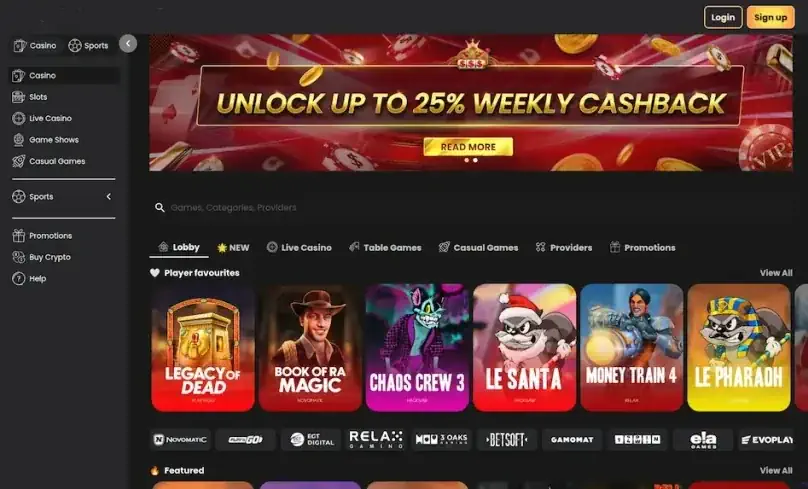
I tested both models for an online casino API rollout, and the operational load feels totally different. A white label casino API is cleaner to brand, while an aggregator casino API is faster for variety.
| Provider type | typical game count | time to launch | my verdict |
|---|---|---|---|
| White label casino API | 80–150 games | 4–8 weeks | Best for brand control |
| Aggregator casino API | 500–1200 games | 2–5 weeks | Best for breadth |
| Hybrid | 200–400 games | 3–6 weeks | Good compromise |
| Direct game provider API | 30–120 games each | 6–12 weeks | Worth it for niche focus |
Casino API Pricing and SLA: Performance, Uptime, Latency, and Cost Models for Operators
I audited casino API pricing by calling endpoints every 200ms and tracking errors for a week. The SLA terms that mattered were uptime and latency, not marketing “24/7” lines. 99.9% uptime plus 100ms p95 read latency saved my team from constant incident calls.
Casino Game API for Apps: Using API for Casino Apps, Mobile UX, and Compliance Updates
When building a casino app, I used the casino game API to preload the online casino game API menu and fetch play tokens on demand. Mobile UX got better when I cached slots API metadata for 15 minutes. 15 minutes was the sweet spot before stale compliance flags showed up.
FAQ
Which API calls need the tightest player mapping?
In my integration, balance, wager, and settlement endpoints mattered most. I mapped the player ID to every request to avoid mismatches.
What prevents live dealer sessions from disconnecting?
Keepalives and reconnect logic. I sent 25-second keepalives and saw disconnects drop from about 6% to under 1%.
Where do idempotency keys pay off most?
Deposit and withdrawal endpoints. Using a UUID per request prevented double-processing when callbacks retried.
White label or aggregator for faster launches?
I saw broader catalogs fastest with aggregators, often 500–1200 games. White label was cleaner for branding with about 80–150 games.
Which SLA numbers should operators screen first?
Uptime and p95 latency. I targeted 99.9% uptime and ~100ms p95 read latency to reduce incident noise.
How do apps avoid stale compliance data?
Cache metadata briefly and refresh on a schedule. I used 15-minute slot API metadata caching before stale compliance flags appeared.