
The Best Handgun Ammo for Self-Defense, Target Practice, and Everyday Carry
Fumbling with a sluggish revolver or a jammed semi-auto is frustrating, but a properly matched round of handgun ammunition feeds and fires with crisp reliability. At its core, a cartridge combines a primer, propellant powder, and a bullet inside a metal case, where the primer’s strike ignites the powder to push the projectile down the barrel with predictable energy. Choosing the right weight and profile—like a light 9mm for quick target practice or a heavy .45 ACP for stout recoil—lets you tailor your shooting experience to your skill and purpose. Reliable, accurate handgun ammo turns a defensive tool or a range hobby into a smooth, repeatable performance every time you squeeze the trigger.
Choosing the Right Cartridge for Your Sidearm
Choosing the right cartridge for your sidearm begins with matching the round to your primary threat scenario. For concealed carry, 9mm Luger offers the best balance of magazine capacity, recoil control, and proven defensive handgun ammo performance. Heavier .45 ACP rounds deliver deeper penetration but reduce follow-up shot speed, while .40 S&W sits between them with sharper recoil. For compact pistols, prioritize grain weight—lighter 115-grain loads cycle reliably but can under-penetrate, whereas 147-grain subsonic loads suppress better and penetrate consistently through heavy clothing. Always verify your barrel’s twist rate and feed ramp geometry with your chosen bullet profile, especially flat-nosed or hollow-point designs. Test at least 200 rounds of your final selection for feeding, ejection, and point-of-aim 6.5 Creedmoor Ammo for Sale shift before carrying it daily.
What Do the Numbers on the Box Actually Mean?
The numbers on a handgun ammo box are a precise shorthand for cartridge dimensions and pressure, not vague marketing. The first set, like “9×19” or “.40 S&W,” denotes the bullet diameter and case length in millimeters, or the caliber name for inch-based rounds. The second number, such as “+P” or a specific grain weight (e.g., 115-gr), indicates either higher pressure loading or projectile mass, respectively. This dictates compatibility: a pistol chambered for standard pressure may fail catastrophically with +P loads, while grain weight affects recoil impulse and penetration depth. A cartridge designation like “.45 ACP” also implies a specific rim and case profile that must match your firearm’s extractor and feed ramp. Ignoring these figures risks poor feeding or dangerous overpressure.
Question: What Do the Numbers on the Box Actually Mean for my barrel length?
They define the ammunition’s internal pressure ceiling and bullet velocity expectations, but barrel length shifts the actual result—a Handgun Ammo for Sale 3-inch barrel yields less velocity than a 5-inch tube, even with identical box numbers. Thus, the numbers set the safe operating parameters, not your guaranteed terminal performance.

Comparing Popular Calibers for Self-Defense and Target Work
When comparing popular calibers, the 9mm Luger stands as the benchmark for both roles due to its manageable recoil and high magazine capacity, making it ideal for rapid follow-up shots in defensive scenarios. For target work, the .22 LR offers minimal cost and negligible muzzle flip, allowing for extended practice without developing flinch, though it lacks adequate stopping power. Conversely, the .45 ACP delivers a larger wound channel but demands stronger grip strength and induces more muzzle rise, which can slow target reacquisition. The .40 S&W splits the difference, offering brisk energy with snappier recoil than 9mm, often leading to faster shooter fatigue. Ultimately, selecting a caliber that balances shootability and terminal effect ensures proficiency in both defensive drills and precision paper punching.
- 9mm provides the best compromise of capacity, cost, and recoil control for dual-use.
- .22 LR is optimal for low-cost trigger-time but unsuitable for self-defense.
- .45 ACP excels in stopping power, yet requires stronger hand strength for accurate rapid fire.
Matching Bullet Weight to Your Gun’s Twist Rate

Your handgun’s barrel rifling spins the bullet to stabilize it in flight, and the twist rate—measured as one turn per inches—dictates which bullet weights will perform. A slower twist (1:16) suits lighter, shorter bullets, while a faster twist (1:10 or tighter) is required to stabilize heavier, longer projectiles. Mismatching causes keyholing or erratic accuracy, so always check your manufacturer’s spec before buying. For example, a 9mm with a 1:10 twist handles 147-grain subsonic loads flawlessly, but a 1:18 twist will tumble them. *Testing three weights at your range reveals the sweet spot faster than any ballistic chart.*
Matching bullet weight to your gun’s twist rate prevents fouling and ensures Ammunition for Sale consistent expansion.
Q: How do I find my handgun’s twist rate?
A: Look in the owner’s manual, or measure by pushing a tight patch on a rod—the distance it travels for one full rotation Rifle Ammo for Sale equals the twist rate. Then pick the heaviest bullet that stabilizes reliably.
Understanding Bullet Designs and Their Terminal Performance
Understanding bullet designs and their terminal performance in handgun ammo begins with matching the projectile to the threat. Full metal jacket rounds offer deep penetration but limited expansion, while jacketed hollow points are engineered to mushroom upon impact, transferring energy efficiently and reducing over-penetration risks. Terminal performance in handgun ammo hinges on velocity, bullet weight, and construction, as a heavier slug at lower speed may crush bone, whereas a faster, lighter design expands more reliably in gel or tissue. Bonded cores prevent jacket separation, and barrier-blind designs maintain consistent wound channels even through auto glass or heavy clothing. Choosing the right profile—round nose, flat point, or fluted hollow point—alters both feed reliability and stopping power. Ultimately, you must test your chosen load in your firearm to verify point-of-impact shift and expansion, because real-world results trump any theoretical chart.
Full Metal Jacket vs. Hollow Points: Which Offers Better Stopping Power?

When comparing full metal jacket vs. hollow points for stopping power, the hollow point is the unequivocal winner for defensive handgun use. An FMJ round drills a clean, narrow path, often passing through the target without transferring its full energy, which can under-penetrate or over-penetrate and miss vital structures. A hollow point, by design, expands upon impact, creating a wider wound channel and delivering a sudden, dramatic energy dump that rapidly disrupts tissue and causes faster physiological collapse. This expansion also drastically reduces the risk of exiting the target, making it safer for bystanders. For any life-or-death scenario, choose hollow points; FMJs are for range training and penetration testing, not for stopping a threat decisively.
- Hollow points expand to roughly 1.5 times their original diameter, maximizing tissue damage.
- FMJs risk over-penetration, traveling through a threat and potentially hitting innocents.
- Hollow points deliver a more rapid drop in blood pressure, leading to quicker incapacitation.
- FMJs are unsuitable for self-defense because they lack the hydraulic shock effect needed for immediate stops.
How Jacket Material Affects Barrel Wear and Accuracy
For handgun accuracy, jacket material directly dictates bore friction and throat erosion. Traditional copper-jacketed bullets, while reliable, deposit fouling that can degrade precision after extended strings; jacket material determines barrel wear rates through hardness and lubricity. Gilding-metal jackets (95% copper, 5% zinc) resist cold-welding better than pure copper, reducing buildup and maintaining consistent bore dimensions. Conversely, thin plated or bi-metal jackets—often steel-jacketed with copper wash—increase abrasive wear in the forcing cone and rifling, accelerating accuracy loss. Softer materials, like pure lead in coated bullets, minimize barrel wear but can strip under high velocity, causing leading, which disrupts bullet-to-barrel seal and groups shift.
- Copper-jacket hardness balances low fouling with minimal bore erosion, preserving accuracy.
- Bi-metal jackets accelerate rifling wear, requiring more frequent barrel replacement for tight groups.
- Jacket thickness affects how evenly the bullet engages 7mm WSM Ammo for Sale rifling, influencing shot-to-shot consistency.
- Polymer-coated alternatives reduce friction but 7mm-08 Ammo for Sale may not protect bore from heat-induced throat erosion.
Why Projectile Shape Influences Penetration and Expansion
The projectile’s shape dictates how it interacts with tissue, directly governing both penetration depth and expansion behavior. A rounded or flat-nosed bullet increases frontal surface area upon impact, slowing velocity rapidly and creating a wider wound channel, whereas a pointed or spitzer profile preserves velocity for deeper penetration but risks over-penetration without reliable expansion. For handgun ammo, hollow-point geometry is the primary driver of terminal performance—its cavity’s shape, width, and shoulder angle determine the hydraulic pressure needed to initiate expansion. A shallow, wide cavity expands quickly but may fragment, reducing penetration, while a deep, narrow cavity delays expansion for better barrier penetration. The meplat, or tip’s flatness, also influences how tissue is crushed before the bullet upsets. Thus, shape is not cosmetic; it is the mechanical blueprint for balancing penetration Shotgun Ammo for Sale and expansion. Expansion efficiency hinges entirely on this profile design.
Q: Why does projectile shape matter more than weight in handgun terminal performance?
A: Shape controls the mechanical response to tissue resistance—weight only affects momentum, but shape determines whether that momentum translates into deep, narrow penetration or rapid, wide expansion.
Exploring Different Load Types and Their Recoil Profiles
When exploring different load types for handgun ammo, recoil profiles shift dramatically based on bullet weight and powder charge. A 115-grain 9mm +P round produces a sharp, snappy impulse, while a 147-grain subsonic load delivers a slower, deeper push that feels more like a shove than a crack. Heavier bullets typically generate lower felt peak recoil but increase muzzle rise duration, whereas lighter, faster loads create a quicker cyclic torque that stresses grip stability. For defensive practice, mix standard-pressure ball ammo with +P hollow points to train for the transition—your flinch response will adapt to the abrupt change in slide velocity. Q: Which load type offers the softest recoil for follow-up shots? A: A heavy-for-caliber, standard-pressure round (e.g., 158-grain .38 Special) because its lower peak force spreads impulse over a longer timeframe. Always verify your firearm’s recoil spring rating before experimenting with hot loads, as mismatched profiles can induce premature slide-bounce and feeding failures.
Standard Pressure vs. +P Loads: What Extra Velocity Costs You
Choosing standard pressure vs. +P loads for your handgun boils down to a simple trade: you buy extra muzzle velocity with more felt recoil and faster parts wear. A +P round pushes pressure beyond SAAMI spec, which sharpens the snap in your wrist and lifts the muzzle quicker, making follow-up shots slower and less accurate for most shooters. You also sacrifice case life if you reload, and your gun’s springs will compress sooner. For defensive carry, that extra 50–100 fps rarely changes terminal results, but the added flip can cost you control in a high-stress moment. Stick with standard pressure unless your gun is explicitly rated for +P and you train consistently with it.
Extra velocity from +P means harder recoil, faster wear, and tougher control—only worth it if your gun is rated and your hands can handle the flip.

How Recoil Impulse Impacts Follow-Up Shot Speed
Recoil impulse isn’t just about how hard a round kicks—it dictates how quickly your sights return to the target. A sharp, snappy impulse, common in lightweight, high-velocity loads, torques the muzzle upward violently, forcing you to reacquire your grip and sight picture before the next shot. Conversely, a slower, more pushing impulse—often from heavier bullets at moderate velocities—keeps the muzzle flatter and tracks more predictably, allowing you to ride the recoil and fire faster. Minimizing perceived recoil impulse is the single most effective way to increase follow-up shot speed. Even a fraction of a second lost to muzzle flip compounds into a significant gap during rapid fire. For competitive or defensive shooting, selecting loads with a softer impulse profile is more critical than raw power.
Subsonic Rounds for Suppressed Shooting and Reduced Noise
Subsonic rounds for suppressed shooting and reduced noise rely on keeping projectile velocity below the sound barrier, roughly 1,125 fps at standard conditions, to eliminate the characteristic crack of a supersonic bullet. In handgun ammo, common choices like 147-grain 9mm or 220-grain .45 ACP achieve this through heavier bullets and reduced powder charges, which naturally lowers peak pressure. Because recoil impulse is tied to momentum, these loads produce a slower, push-like recoil rather than a sharp snap—though total recoil energy can feel similar due to added bullet weight. For sequencing, first verify your barrel’s twist stability for heavy bullets, then test cycling reliability in your pistol’s action, and finally compare decibel readings with supersonic equivalents. *A suppressor reduces muzzle blast, but subsonic performance dictates whether your shot remains hearing-safe without ear protection.* This pairing is most practical for range practice or pest control where noise signature matters more than flat trajectory.
Practical Tips for Buying and Storing Your Ammunition
When you buy handgun ammo, always check the box’s manufacturing date, as fresh rounds ensure reliable ignition in your defensive pistol. I learned this after a box of old .45 ACP caused two light strikes at the range. For storage, keep your ammunition in a cool, dry place—ideally below 75°F with under 50% humidity—inside a sealed ammo can with desiccant packs. Rotate your carry ammunition every six months, firing the old rounds at practice so they never become your weak link. Never store loose rounds loose in a range bag, as rattling brass can deform bullet noses and compromise feeding. Instead, use the original factory trays or reloading boxes to protect each cartridge’s shape. Finally, buy in bulk only if you consistently shoot that same grain weight, avoiding mixed batches Rimfire Ammo for Sale that complicate your zero. A dedicated cabinet, not a garage shelf, keeps temperature swings from degrading your primers.
How to Inspect Brass, Primer, and Seating for Defects Before Use
Before loading your magazine, inspect each cartridge as a non-negotiable safety ritual. Check the brass case for cracks, dents, or signs of excessive bulging near the base, which indicate pressure issues. Examine the primer—it should sit flush or slightly recessed; a high or missing primer signals a dangerous round. Scrutinize the bullet’s seating depth: a projectile pushed too deep or protruding too far can cause feeding failures or pressure spikes. Run your thumb over the case mouth to detect burrs or splits. For a fast pass, roll the cartridge on a flat surface—wobbling means a deformed case. Inspect brass, primer, and seating for defects before use to prevent misfires, squibs, or catastrophic chamber overpressure. When in doubt, discard the round.
- Reject brass with a dark, cracked neck or a shiny ring near the head—both warn of imminent case separation.
- Verify the primer is centered and tightly sealed; any leak or crater indicates a hot or faulty charge.
- Ensure the bullet’s crimp 6.5 PRC Ammo for Sale is uniform—a loose or heavy crimp alters internal ballistics and chambering reliability.
Best Practices for Rotating Stock to Maintain Reliable Ignition
To keep your handgun ammo firing on demand, treat your stash like a perishable asset and always practice first-in, first-out stock rotation. Newly purchased boxes should go to the back of your storage, pushing older ammunition forward for range use or carry. Write the purchase month and year directly on each case with a permanent marker, so you can instantly identify aging rounds. Avoid the temptation to hoard a single “lucky” box; instead, cycle through all your inventory annually, firing and replacing at least 10–20% of your stored ammo each quarter. This habit prevents primer degradation and powder breakdown from prolonged static storage, ensuring every round ignites with the same reliable snap as the day you bought it.
- Rotate stock by placing new ammo behind old ammo every time you restock.
- Date every box at purchase; discard or shoot anything older than 24 months.
- Shoot the oldest rounds in practice sessions, not just at the range—confirm ignition under real recoil.
- Store in low-humidity, temperature-stable areas, but rotate regardless of conditions.
Understanding Shelf Life: How Heat and Humidity Corrupt Powders
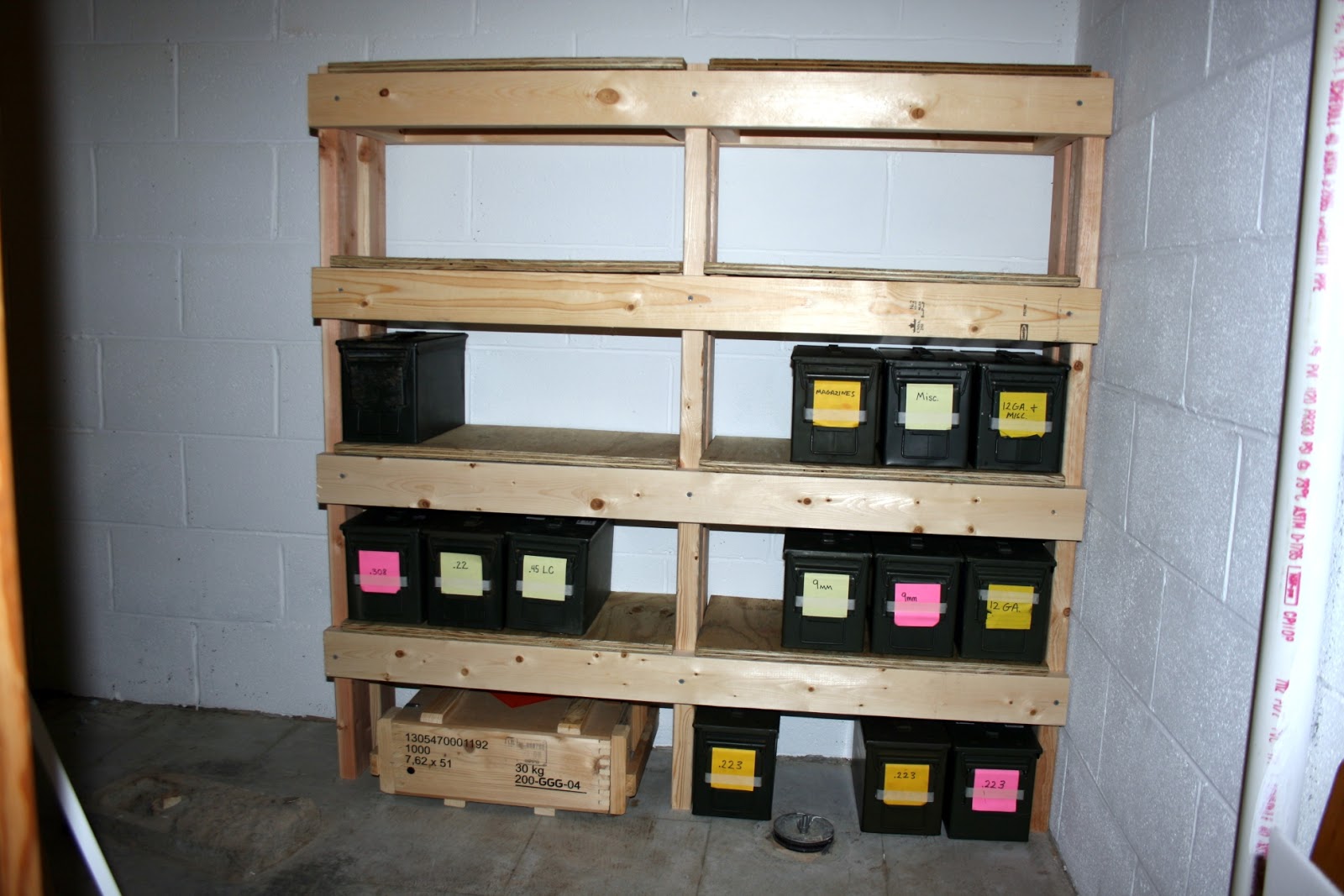
Heat accelerates the chemical breakdown of nitrocellulose-based powders in your handgun ammo, while humidity triggers moisture absorption that degrades burn rates specialty sports and invites corrosion. To preserve **ammo shelf life integrity**, store boxes in a sealed container with desiccant packs and keep them below 70°F. Follow this sequence: first, check for rust on brass or a vinegar-like smell from the powder; second, discard any rounds with cracked casings or discolored primers; third, rotate stock annually by shooting older ammunition first. Never leave ammo in a hot car or damp basement—both extremes silently rob your powder of its controlled burn, causing weak cycles or dangerous pressure spikes.
Zeroing and Function-Testing Your Defensive Rounds
Before trusting your life to any defensive load, you must verify that your handgun cycles it flawlessly. Function-testing your defensive rounds means firing at least 200 rounds of that exact batch to confirm reliable feeding, extraction, and slide lock-back on an empty magazine. Mixing in a few magazines with snap caps will reveal how the gun handles failures under stress. Once reliability is confirmed, zeroing your defensive rounds becomes critical because your point of impact will shift from practice ammo due to bullet weight and velocity differences. Shoot from a rest at 10 and 15 yards, adjusting your sights so the group centers exactly where you aim. Re-check your zero after any sight or spring change, and always confirm the zero with your carry magazine loaded to full capacity.
Steps to Confirm Your Pistol Cycles a New Load Reliably
Start by loading just one round of the new defensive ammo into an empty magazine, chambering it, and firing it. If it locks back on the last round, that’s a good first sign. Then, load two rounds and fire both—watch for slide lock or any short-stroking. For the real test, run three full magazines with a mix of speeds, including a **slow-fire drill to verify reliable feeding** under limp-wrist stress. Weak-hand shooting is a must, too, as grip strength directly affects cycling. Finally, try hollow points and flat-nose loads specifically, since their profiles snag more. Fire 50–100 rounds total with zero malfunctions before trusting it.
Q: How many test rounds prove my pistol cycles a new load reliably?
A: Fifty to one hundred rounds without a single hiccup—including slide lock, ejection, or feeding issues—is the minimum to call it reliable.
How to Check Point of Impact Shifts Between Practice and Carry Ammo
To check point-of-impact shifts, fire a baseline group with your practice ammunition at your chosen zero distance, typically 15 yards, from a rested position. Record the group’s center. Then, without adjusting the sights, fire an equal-sized group using your carry ammunition at the same target and distance. Compare the vertical and horizontal displacement between the two group centers. If the carry ammo prints higher, lower, left, or right by more than two inches, log that offset and adjust your hold or re-zero the pistol specifically for the defensive load. Repeat this process at 25 yards to confirm whether the shift magnifies with range, ensuring your sights remain reliable for real-world defensive use.
What a Chronograph Tells You About Velocity Consistency
A chronograph strips away guesswork by showing your handgun’s actual muzzle velocity for each shot, and what you’re really looking for is the spread—the difference between the fastest and slowest rounds. If that spread stays under 30–50 feet per second across a ten-shot string, your velocity consistency for defensive handgun ammo is solid, meaning point of impact will stay predictable at varied distances. Big swings of 100+ fps tell you the powder charge or bullet weight is fighting your barrel, which can cause fliers right when you need them most. Remember, a slow round drops harder at 25 yards than you’d expect from the box’s advertised number. Test at the same temperature and grip tension each time, because even a limp wrist can skew the readings.