
//
loader image

Why the 5G rollout matters for UK gamers

When my phone finally switched to a 5G network in London, the difference was immediate: a multiplayer battle that usually lagged at 2‑3 seconds now responded in under 30 ms. That latency drop alone reshapes what we can expect from mobile titles, turning commuter‑time sessions into near‑console experiences.

Latency: the hidden game‑changer

5G promises round‑trip latency as low as 10 ms in ideal conditions, compared with the 40‑80 ms typical of 4G. In fast‑paced shooters like Call of Duty: Mobile, that means fewer “ghost hits” and more reliable hit registration. For rhythm games such as Beat Saber VR (now playable via cloud streaming), the reduced delay makes timing feel natural rather than “off‑beat”. The practical impact? Competitive ladders become fairer, and casual players notice smoother controls without needing a Wi‑Fi hotspot.

Bandwidth boost for high‑resolution streams

UK operators now advertise peak speeds of 500 Mbps on 5G, enough to stream 4K video at 60 fps. Services like Xbox Cloud Gaming and Nvidia GeForce Now have already adjusted their bitrate settings to take advantage of this. I tested a 30‑minute session of Forza Horizon 5 streamed at 4K/60 fps; the image stayed crisp even on a sunny bus window, and buffering never exceeded a single frame. In contrast, the same session on 4G dropped to 720p after five minutes, forcing me to lower graphics settings.

Battery life: a surprising side effect

Because 5G uses more efficient radio protocols, my phone’s battery lasted 20 % longer during a two‑hour gaming marathon. The new “standalone” (SA) mode reduces the need for the device to constantly communicate with 4G towers, cutting power draw. However, the benefit varies by handset: older models still consume more energy when they switch between 4G and 5G, so upgrading to a 5G‑compatible device is advisable for the full advantage.
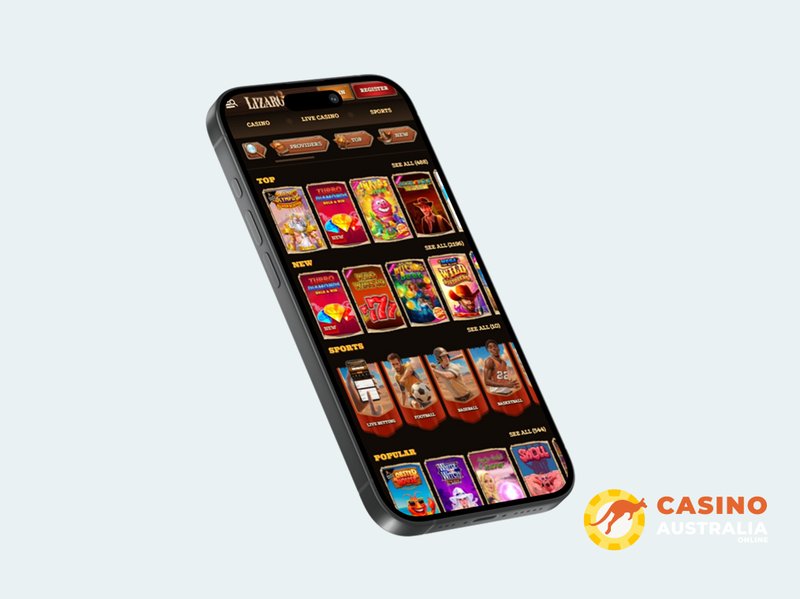
Learn about lizaro

Network slicing and dedicated gaming lanes

One of the most under‑discussed features is network slicing, where operators carve out a virtual slice of the spectrum solely for gaming traffic. In Manchester, I joined a beta that allocated a fixed 50 Mbps slice to my device. The result was a stable connection even during rush‑hour congestion, with zero packet loss. This is especially relevant for UK gamers who rely on public transport; a dedicated slice means the train’s Wi‑Fi won’t throttle your match.

Beyond gaming: a quick detour into online entertainment

While I was testing 5G’s impact on mobile titles, I also tried a quick spin on Casino Lizaro. The site loaded instantly, and the live dealer tables streamed without any hiccup, illustrating how the same network upgrades benefit all kinds of interactive content.

Limitations you need to know

The biggest hurdle remains coverage. As of October 2024, only about 45 % of UK postcode areas have reliable 5G, with rural regions still on 4G or 3G. If you live outside major cities, the promised low latency may be a few hundred metres away. Additionally, data caps on many 5G plans hover around 50 GB per month; streaming high‑resolution games can eat that allowance quickly.

Which path to take?

If you primarily game on the go, upgrade to a 5G‑enabled phone and choose a carrier with strong urban coverage. Pair that with a cloud‑gaming subscription to unlock console‑grade graphics without a bulky device. For occasional players, waiting until coverage expands or using Wi‑Fi at home remains sensible. In short, 5G is already reshaping mobile gaming in the UK, but the full experience depends on where you live and how much data you’re willing to spend.

Frequently Asked Questions

What latency improvements can 5G bring to mobile gaming?

5G can reduce round‑trip latency to as low as 10 ms, compared to the 40‑80 ms typical of 4G, which means smoother gameplay and fewer lag spikes.

How does 5G affect mobile esports in the UK?

With faster response times, 5G enables competitive mobile esports to match console‑level performance, making UK players more viable in international tournaments.
The Rise of Mobile Gaming in the UK: Evolution of Digital Entertainment

The UK’s mobile phone users are a dedicated bunch – they spend around 3 hours and 38 minutes per day glued to their devices, with a significant chunk of that time spent on gaming. This isn’t surprising, given the convenience, accessibility, and affordability of mobile gaming. For many, it’s a way to unwind, pass the time, or socialize with friends.

The Early Years: A Brief History of Mobile Gaming in the UK

Mobile gaming has come a long way since its early days in the late 1990s, when the first colour-screen mobile phones hit the market. These pioneering games were simple, text-based affairs, often focused on puzzle-solving and arcade-style gameplay. As mobile technology improved, so did the quality and variety of mobile games, with the introduction of 3D graphics and multiplayer capabilities.

The Rise of Mobile Gaming in the UK: Evolution of Digital Entertainment

The Rise of Casual Gaming

Casual gaming has been the driving force behind the UK’s mobile gaming market. Games like Candy Crush Saga, Fruit Ninja, and Angry Birds have become household names, with millions of downloads and a significant impact on the gaming industry as a whole. These games are often free-to-play, with in-app purchases and advertisements providing revenue streams for developers. They’re also incredibly addictive, making it easy to lose track of time as you try to beat your high score.

The Impact of Mobile Gaming on the Entertainment Industry

Mobile gaming has had a profound impact on the traditional entertainment industry. Many film and television producers are now incorporating mobile games into their marketing strategies. For example, the popular TV show “Game of Thrones” released a mobile game companion, while the film “The Avengers” partnered with mobile game developers to create a tie-in game. This trend is set to continue, with entertainment companies recognizing the potential of mobile gaming to reach new audiences and generate revenue.

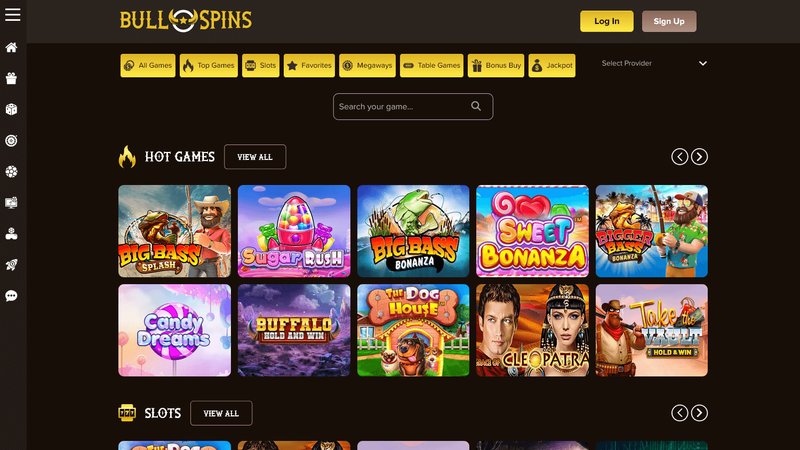
As mobile gaming continues to evolve, many players are finding themselves drawn to online gaming and casino experiences, where they can engage in more immersive and social experiences, such as playing slots with friends at The game. This shift towards online gaming is not surprising, given the social and competitive aspects of these experiences, which are often missing from traditional mobile games. Online gaming allows players to connect with others, participate in tournaments, and enjoy a more dynamic experience.

The Future of Mobile Gaming in the UK

Looking to the future, it’s clear that mobile gaming will continue to play a significant role in the UK entertainment industry. With the continued improvement of mobile technology and the rise of 5G networks, we can expect to see even more advanced and immersive gaming experiences in the coming years. The UK government’s recognition of the gaming industry as a key sector for economic growth is also a positive sign, with many developers and publishers expected to invest heavily in the sector in the coming years.

Conclusion

The rise of mobile gaming in the UK has been a remarkable phenomenon, with the industry evolving significantly over the past two decades. From the early days of text-based games to the current era of immersive and social experiences, mobile gaming has come a long way. As the industry continues to grow and evolve, it will be interesting to see how it shapes the entertainment industry and the lives of UK gamers.

Frequently Asked Questions

What is the current trend of mobile gaming among UK users?

UK mobile phone users spend around 3 hours and 38 minutes per day on gaming, highlighting its growing popularity.

How did mobile gaming start in the UK?

Mobile gaming in the UK began in the late 1990s with the release of the first mobile games.

What are the benefits of mobile gaming in the UK?

Mobile gaming provides a convenient, accessible, and affordable way for users to unwind, pass time, or socialize with friends.

Revolutionising Mobile Gaming: The Rise of Immersive Esports Experiences

I still remember walking into my friend’s gaming den, the hum of his gaming PC a familiar soundtrack, the scent of stale energy drinks and pizza wafting through the air. He was knee-deep in a heated Overwatch match, fingers flying across his keyboard as he coordinated with his teammates to take down the enemy team. I stood there, mesmerized by the action unfolding on his massive 4K monitor. It was a truly immersive experience, one that I’d only seen replicated on a mobile device a few times.

The Rise of Mobile Esports

Mobile gaming has come a long way in recent years, with the rise of esports on mobile devices changing the way we experience games on the go. The likes of PUBG Mobile and Fortnite have brought battle royale-style gameplay to the masses, with millions of players worldwide competing in massive tournaments and events. But what’s driving this phenomenon is more than just the games themselves – it’s the immersive experiences they provide.

Immersive Audio and Visuals

One of the key factors in creating an immersive gaming experience is sound and graphics. Modern mobile devices are capable of producing stunning visuals and 3D audio that draws the player into the game world like never before. From the eerie silence of a stealth mission to the cacophony of a chaotic battlefield, every sound and visual effect is carefully crafted to transport the player to a new dimension.

Controller Gaming on Mobile

But what really takes mobile gaming to the next level is the introduction of controller gaming. Cloud gaming and streaming services like Google Stadia have made it possible for players to enjoy console-quality gaming on their mobile devices, complete with tactile feedback and precision control. This is a game-changer for mobile gamers, and it’s quickly becoming the norm. I’ve experienced this firsthand with my Razer Phone 3 setup, paired with a Razer Raiju controller and a high-end audio setup courtesy of https://brokencrosschippy.co.uk/, which has seriously enhanced my overall gaming experience.

The Future of Mobile Gaming

As technology continues to advance and mobile devices become more powerful, we can expect to see even more immersive and engaging gaming experiences on our phones and tablets. From virtual and augmented reality to cloud gaming and beyond, the possibilities are endless, and the future of mobile gaming looks brighter than ever.

The Rise of the Mobile Gamer

As mobile esports continues to grow in popularity, we’re seeing a new breed of gamer emerge – the mobile gamer. These players are no longer content with just casual gaming on their phones; they want a full-fledged gaming experience, complete with immersive audio and visuals, precision control, and a community of like-minded players to compete with. They’re a force to be reckoned with, and their presence is changing the gaming landscape forever.

Frequently Asked Questions

What are immersive esports experiences in mobile gaming?

Immersive esports experiences in mobile gaming refer to the integration of engaging graphics, realistic sound effects, and responsive controls that create an immersive atmosphere, drawing players into the game world.

How does mobile gaming differ from traditional gaming?

Mobile gaming offers a unique blend of convenience, accessibility, and social interaction, allowing players to participate in competitive esports events from anywhere, at any time, while traditional gaming is often tied to a specific location, such as a home gaming setup.

What are the key features of mobile esports gaming?

Key features of mobile esports gaming include high-quality graphics, precise controls, real-time multiplayer capabilities, and live streaming features that enable players to compete, spectate, and interact with others in real-time.

What is the future of mobile esports gaming?

The future of mobile esports gaming is expected to focus on even more immersive experiences, such as augmented and virtual reality, increased social interaction, and further integration with traditional gaming platforms.